Champagne Bollinger: Luxe du temps since 1829
Champagne Bollinger is a Négoce-Maison based in Aÿ-Champagne (Grand Cru, Montagne de Reims), founded on February 6, 1829 by Athanase de Villermont, Paul Renaudin and Joseph Bollinger as Renaudin-Bollinger & Cie. Today Charles-Armand de Belenet leads as Directeur Général since 2017, while the Bizot family remains closely connected to the Maison. Bollinger manages 180 hectares of its own Vignoble across seven villages, Aÿ, Avenay-Val-d'Or, Tauxières, Louvois, Verzenay, Cuis and Champvoisy, making it one of Champagne's major landowners.
History
On February 6, 1829, Athanase-Louis-Emmanuel de Villermont, Paul Renaudin and Joseph-Jacob-Placide Bollinger signed the founding contract for Renaudin-Bollinger & Cie at 16 rue de l'Huilerie in Aÿ. Bollinger, a German officer from Württemberg who served in Napoleon's forces, brought winemaking expertise. The Maison established itself quickly, and the Bollinger family gradually took control.
In 1890, the Maison first documented the method of storing Réserve wines in Magnums, a process that remains the foundation for Special Cuvée today. In 1911, the phylloxera crisis hit Champagne, and Georges Bollinger steered the Maison through these difficult times. In 1918, his son Jacques Bollinger took over leadership and married Elisabeth Law de Lauriston-Boubers in 1923. Between 1926 and 1934, Jacques assembled the parcels of La Côte aux Enfants, today one of Champagne's most famous mono-parcellaires.
In 1941, Jacques Bollinger died, and his widow Elisabeth, known as Madame Bollinger, took over direction. She shaped the Maison for decades, introduced the first R.D. cuvée (Récemment Dégorgé) in 1952, and set standards for extended lees aging. In 1971, she handed leadership to Claude d'Hautefeuille, followed by Christian Bizot (her nephew) in 1978. In 1994, Ghislain de Montgolfier, great-great-grandson of Joseph Bollinger, took over direction; he became President of Union des Maisons de Champagne in 2007 and Co-President of CIVC. In 2008, Jérôme Philipon became the first non-family member President, and in 2017 Charles-Armand de Belenet joined as Directeur Général.
In 2010, the Maison discovered a forgotten cellar section, the Cave Oubliée, with Millésimes dating back to 1830. In 2012, Bollinger was the first Négoce-Maison with HVE certification, and in 2014 the first with Viticulture Durable en Champagne. In 2016, Bollinger opened the Oenothèques Galerie 1829 and La Réserve for historic vintages.
Vignoble & Terroir
Bollinger manages 180 hectares across seven villages: Aÿ, Avenay-Val-d'Or, Tauxières, Louvois, Verzenay (all Montagne de Reims), Cuis (Côte des Blancs) and Champvoisy (Vallée de la Marne). The Vignoble consists of 85% Grands and Premiers Crus. Over 60% of the area is planted with Pinot Noir, while the exact distribution of Chardonnay and Meunier remains undisclosed.
The chalky Terroir shapes the identity: In Aÿ lies the parcel La Côte aux Enfants (4ha) on the northwest slope, where chalk rocks visibly emerge at the surface. This mono-parcel is one of the Maison's geological showcases and has produced its own Millésime cuvée since 2012.
Bollinger maintains two tiny parcels with francs de pied, ungrafted, phylloxera-free vines: Clos Saint-Jacques and Clos Chaudes Terres in Aÿ. These are worked by hand and preserved through Provignage (propagation by layering). They provide the mythical cuvée Vieilles Vignes Françaises.
Viticulture & Sustainability
Bollinger manages all 180 hectares with its own vignerons. The Maison was the first Négoce-Maison with HVE certification (Haute Valeur Environnementale) in 2012 and the first with Viticulture Durable en Champagne in 2014. Preserving the francs-de-pied parcels through Provignage is a long-term biodiversity and tradition project. Since 2013, Bollinger uses 100% recyclable packaging, this was consistently implemented starting with cuvée B13.
Vinification
Bollinger vinifies in old oak barrels, the Maison maintains 4000 barrels, averaging 20 years old, some up to 100 years. Gaël, Champagne's last Tonnelier à demeure, cares for this collection. Vinification sous bois is part of the identity: it brings finesse, not wood dominance, and promotes aging potential.
Bollinger stores 1 million Magnums with Réserve wines for Special Cuvée and Bollinger Rosé. This method has been documented since 1890. All cuvées age two to three times longer on lees than the AOC minimum requires, Luxe du temps is the central philosophy. Only the best years are declared as Millésimes.
The R.D. concept (Récemment Dégorgé) combines extended lees aging with fresh Extra-Brut dosage: bottles age for decades sur lie and are only disgorged shortly before market release. The contrast between mature aromatics and fresh dosage is the signature.
Dosage varies by cuvée: R.D. 2007 is dosed with 3 g/l (Extra Brut), La Grande Année 2014 and La Côte aux Enfants 2012 with 8 g/l, B13 with 6 g/l.
The Cuvées in Detail
Special Cuvée
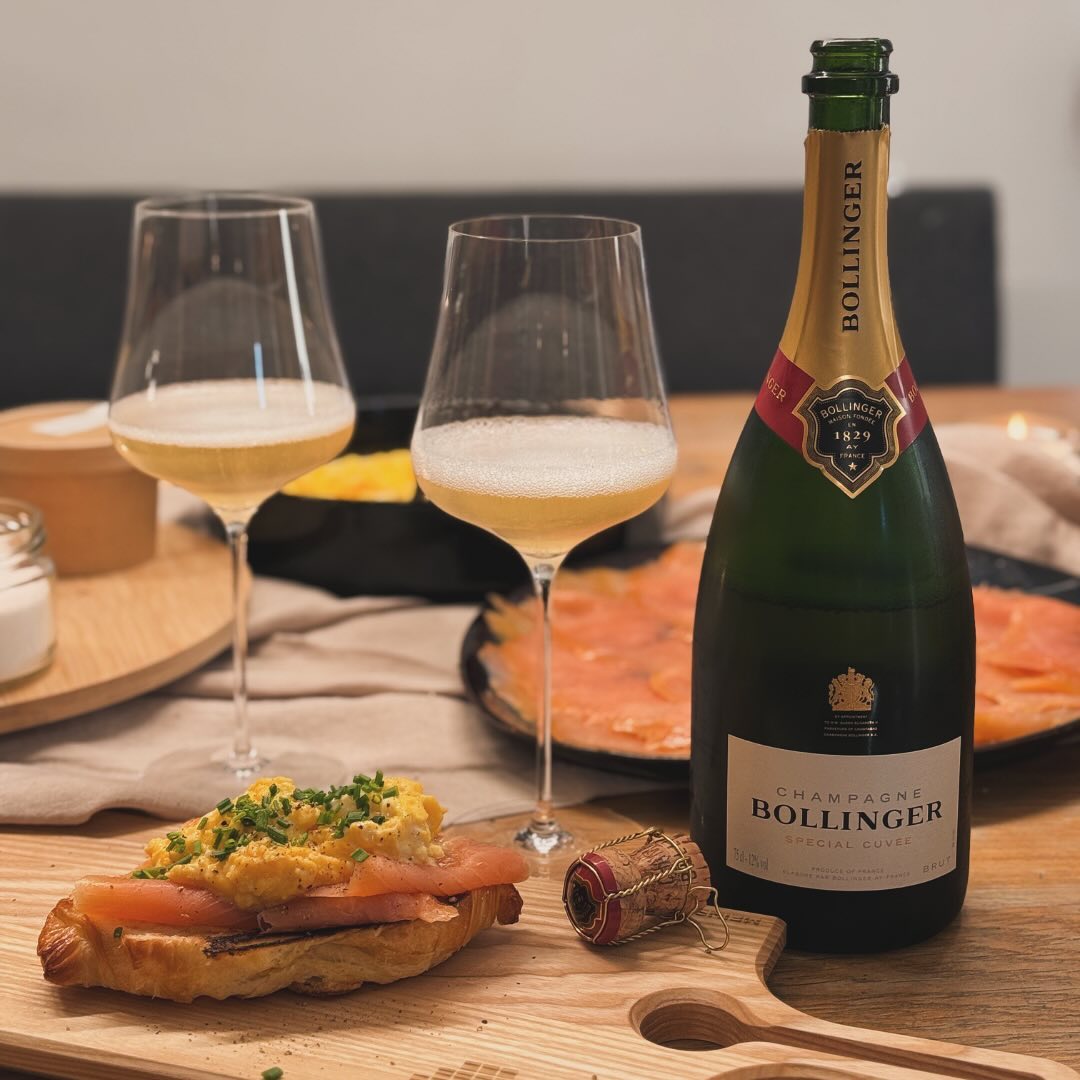
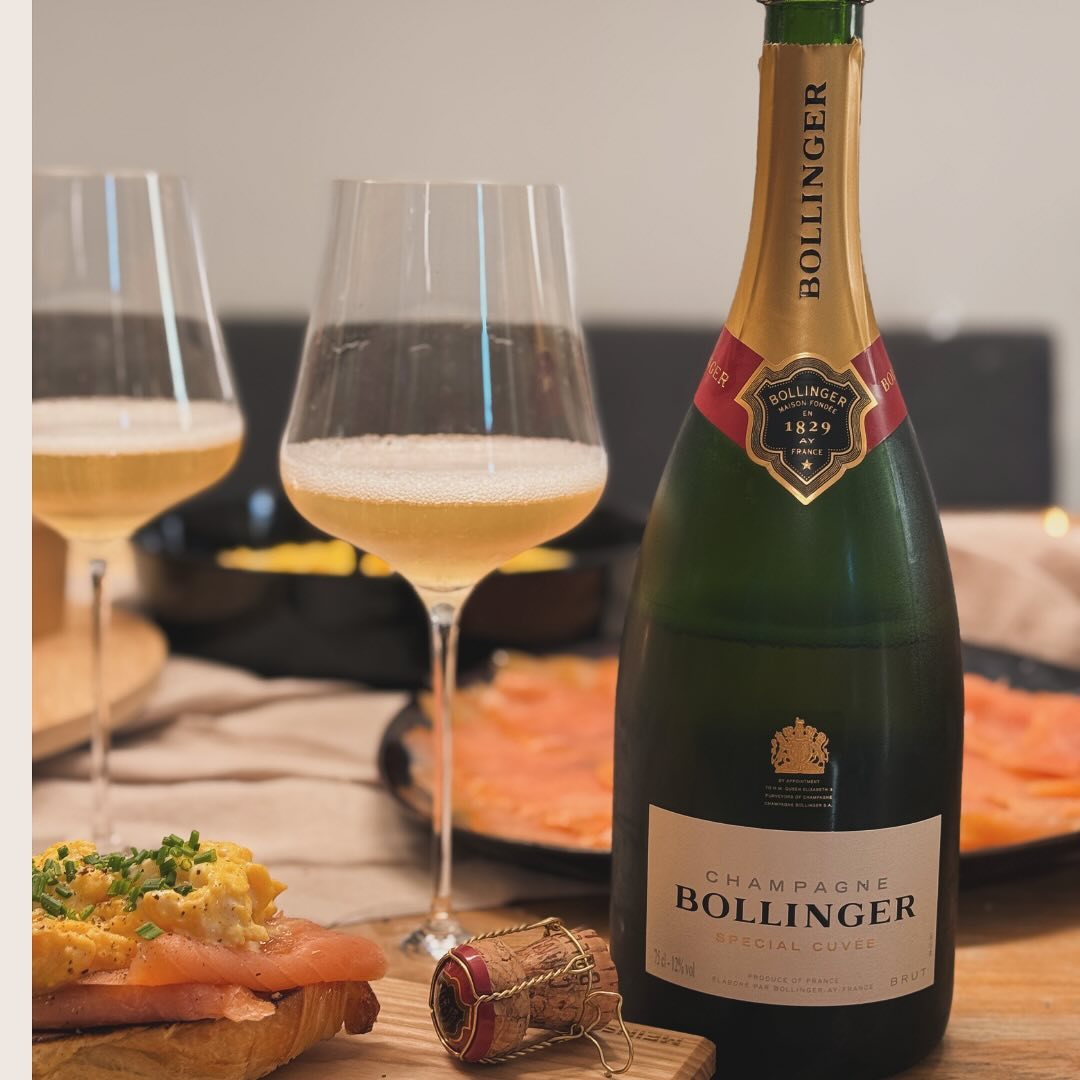
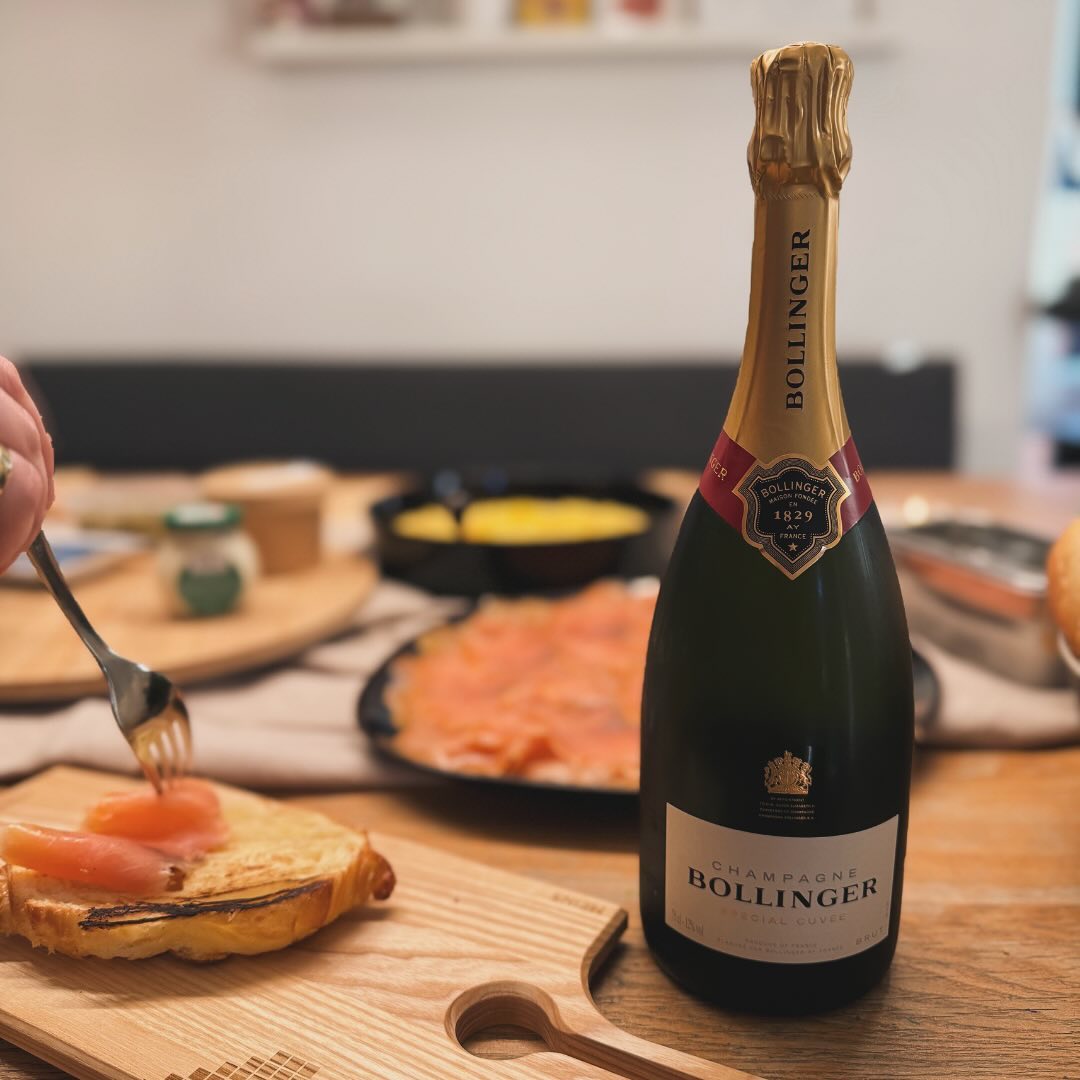
the_champagne.guy Bei uns ist der erste Weihnachtsfeiertag der Tag der Bescherung, ganz nach amerikanischer Tradition. 🎁✨ Es gibt keinen Abendstress, kein Hetzen ins Bett – nur Zeit. Zeit, die Geschenke in Ruhe auszupacken, sich zu freuen und die Magie dieses Tages in vollen Zügen zu genießen. Die Kinder stürzen sich voller Vorfreude auf die Päckchen, jedes Geschenk wird bestaunt, ausprobiert und gefeiert. Wir Eltern genießen währenddessen den ersten Cappuccino des Tages, bereiten entspannt das Frühstück vor und lassen uns immer mal wieder von der Begeisterung der Kinder mitreißen. Und ja, auch wir Erwachsenen packen zwischendurch ein Geschenk aus, lachen, umarmen uns, sagen „Danke“ – und fühlen uns von Glück und Liebe durchflutet. ❤️ Das Frühstück ist der kulinarische Höhepunkt dieses Morgens: - @champagne_bollinger Special Cuvée – der erste elegante Schluck, der alles ein wenig feierlicher macht. 🍾 - Gordon Ramsay’s Scrambled Eggs, seit Jahren unser Weihnachtsklassiker. 🍳 - Der feinste Lachs von Schenkel, der einfach perfekt dazu passt. 🐟 - Und dieses Jahr neu dabei: unser Geschenk an uns selbst – das - Frankfurter Brett, das mit seinen liebevoll gestalteten Details gleich zu einem Lieblingsteil in unserer Küche wurde und schon an diesem Morgen so einiges viel effizienter von der Hand zu gehen scheint 🚀 Zwischen „WOW!“-Momenten, warmen Umarmungen und unzähligen „Danke“-Rufen merken wir, wie besonders dieser Tag ist. Es geht nicht nur um die Geschenke, sondern darum, wie sehr wir einander schätzen und wie viel Freude es macht, gemeinsam diese Momente zu erleben. Frohe Weihnachten aus unserem kleinen Familienglück an alle, die diese Magie ebenfalls fühlen. 🥂🎄✨ Und, stay tuned für unser Weihnachts-Menü 👨🍳 am späteren Nachmittag - Spoiler: Es wird ein Truthahn und natürlich ein Krug 🥂🍾 @frankfurterbrett @schenkeldelikatessen @gordongram #ChristmasMorning #FamilyLove #BollingerSpecialCuvée #FrankfurterBrett #Festtagsmomente #ScrambledEggsTradition #TheChampagneGuy
Auf Instagram weiterlesen →The Maison's icon. Assemblage from over 85% Grands and Premiers Crus, 60% Pinot Noir, complemented by Réserve wines from Magnums. The Réserve method has been part of the DNA since 1890. Special Cuvée is a non-vintage Brut, but with extended aging and strict selection, pure Bollinger style.
60% Pinot Noir · Brut · Réserve Magnums · >85% Grands/Premiers Crus
Bollinger Rosé
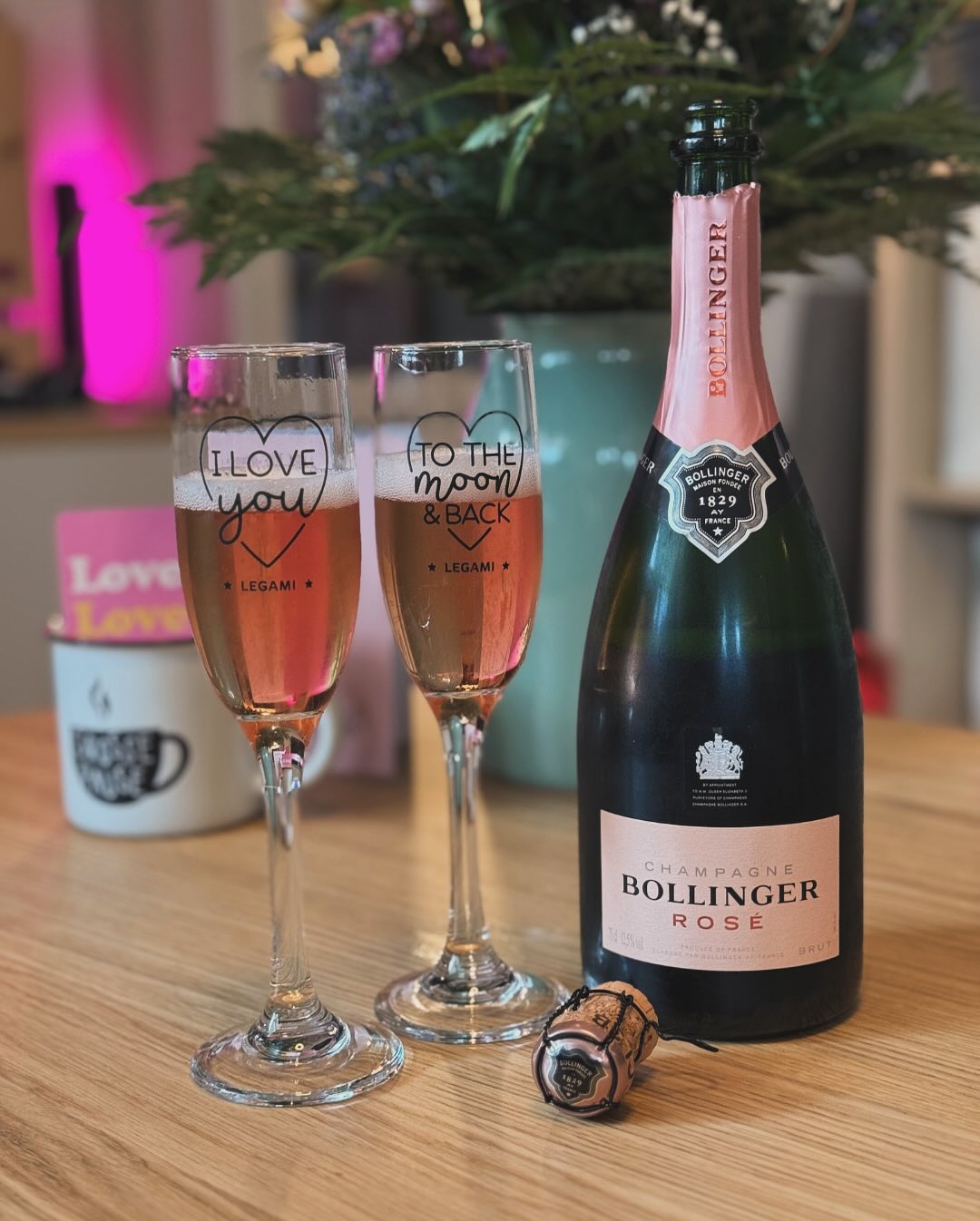
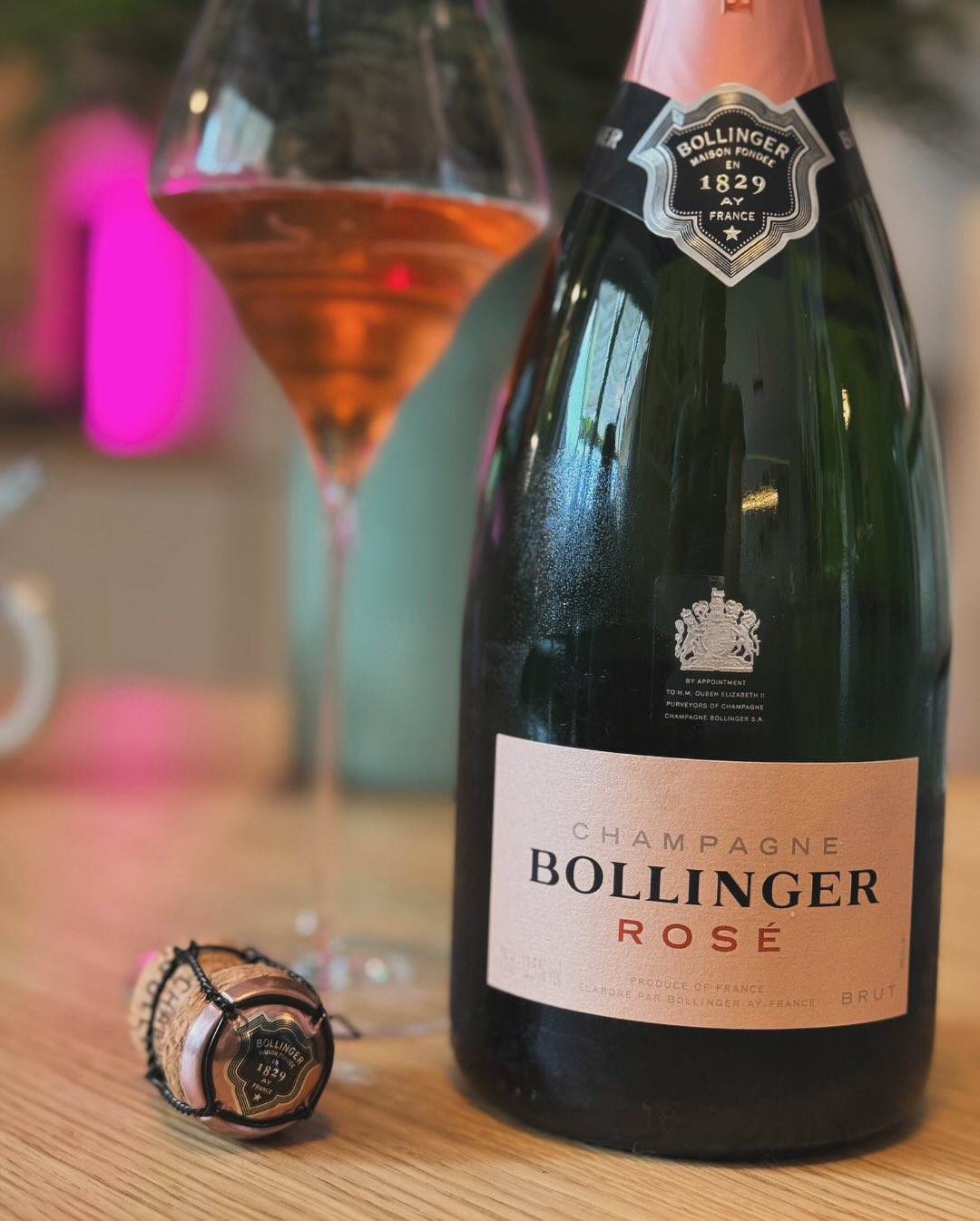
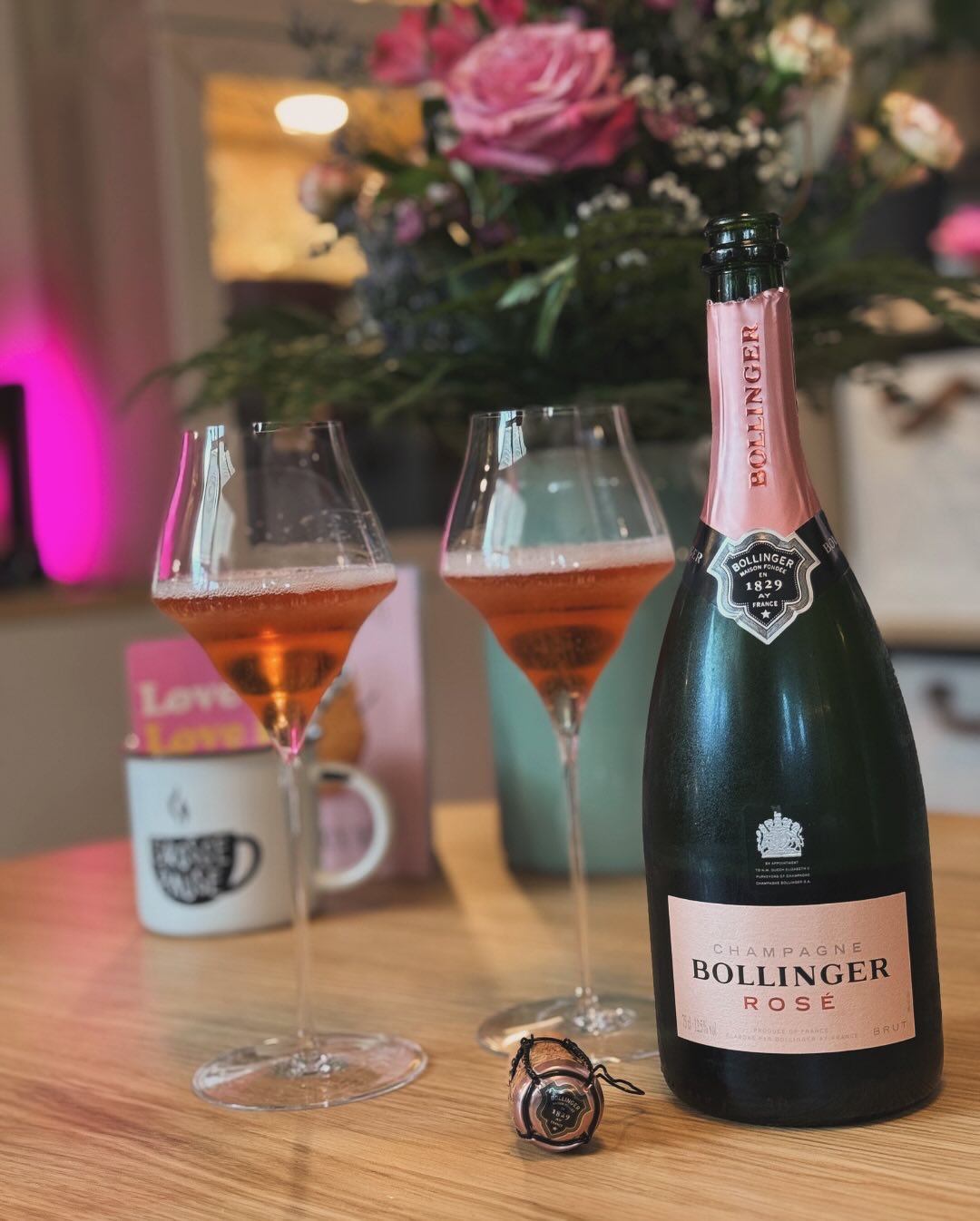
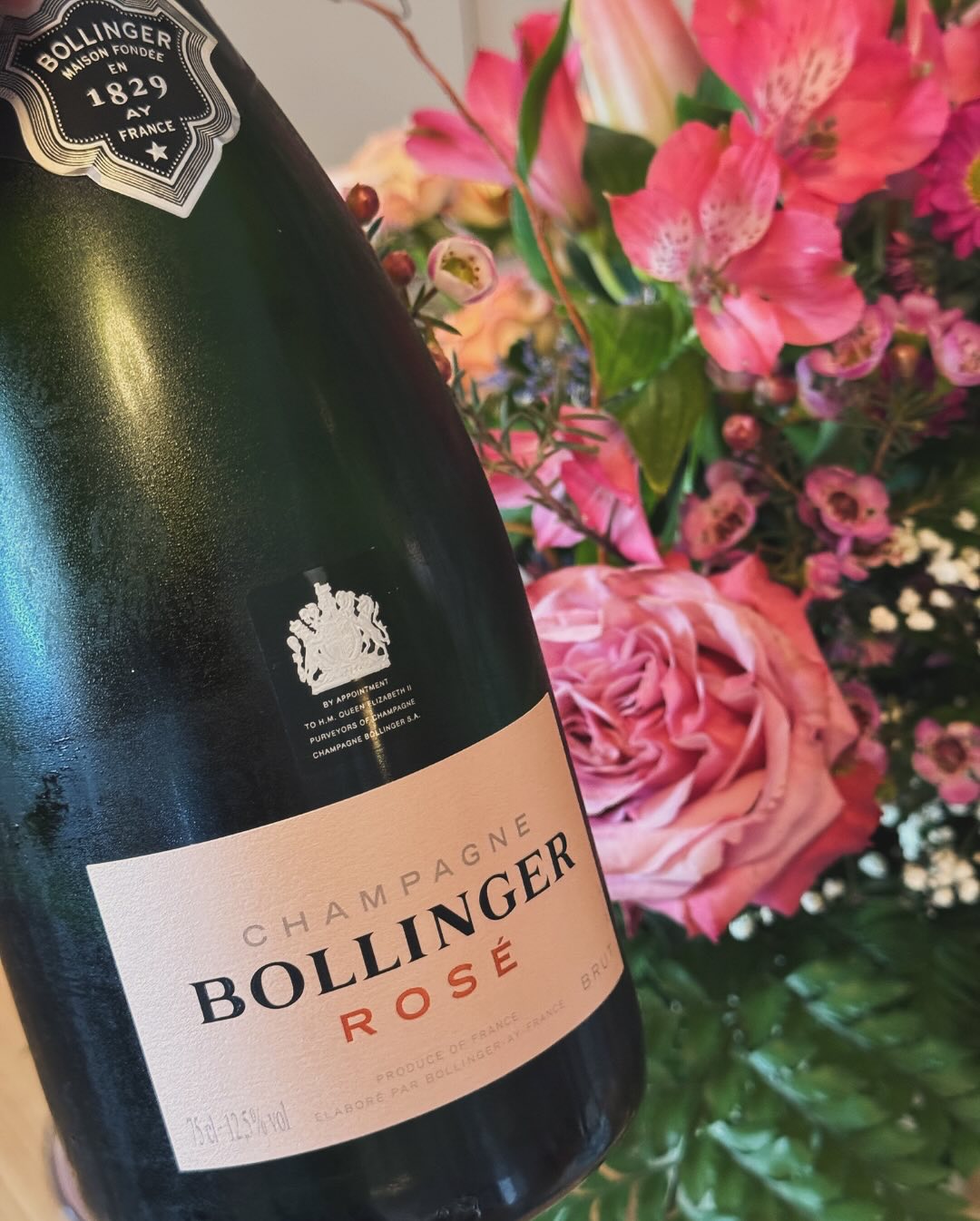
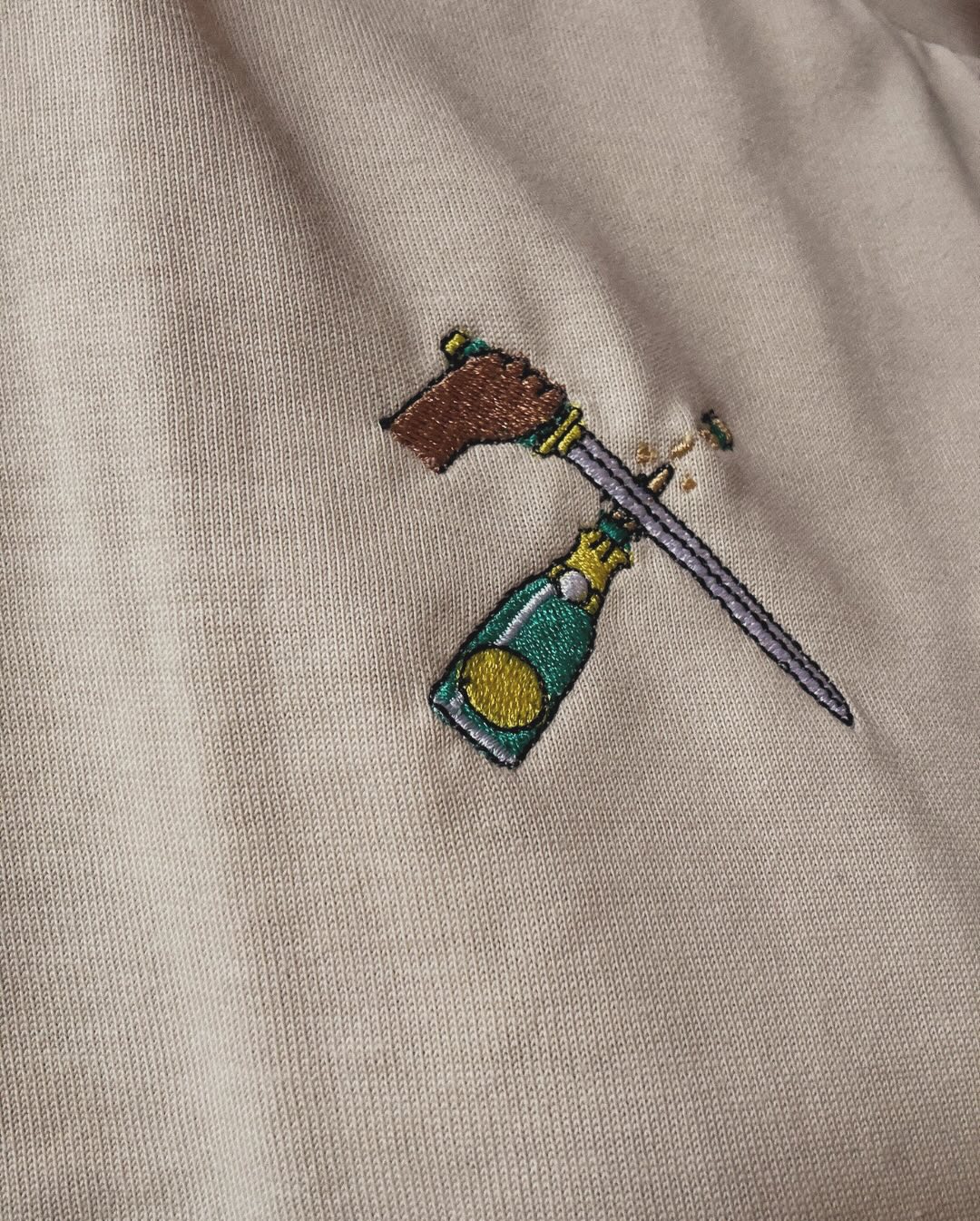
the_champagne.guy Drei Champagner standen zur Wahl – die Community hat entschieden: @champagne_bollinger Rosé! Und ganz ehrlich? Eine perfekte Wahl. Der gestrige Tag war ohnehin besonders. Tagsüber stand noch die Geburtstagsparty unseres Sohnes an (Full House, Chaos, Geschenke, Kuchen – das volle Programm). Erst am Abend wurde es ruhiger. Neben einem wunderschönen Blumenstrauß für meine Frau – natürlich mit Lilien 🌸 – gab es einfach nur einen richtig guten Champagner, ein paar kleine Aufmerksamkeiten (u.a. mein neues Lieblings T-Shirt, das zeigt wie ich den heutigen Champagner mit dem Säbel öffne :D) und Zeit zu zweit. Verkostung & Erkenntnisse: 👃 Nase: Rote Beeren, ein Hauch würzige Noten – elegant & tiefgründig. 👅 Gaumen: Struktur & Frische, feine Tannine und eine wunderschöne Länge. 🥂 Abgang: Harmonisch, mit anhaltender Fruchtigkeit und leicht nussigen Anklängen. Die „besten Champagner-Gläser der Welt“ 🤭 Meine Frau hat mir ein Set @legami_milano Champagner-Gläser geschenkt – allein die Message machen sie zu meinen „besten Champagner-Gläsern“. 😆 Nach dem ersten Glas sind wir dann doch auf meine @josephinenhutte No. 4 umgestiegen, um den wunderbaren Rosé zu würdigen :-) Fazit: Valentinstag muss nicht kompliziert sein. Gute Gesellschaft, ein schöner Moment & ein Glas richtig guter Champagner – mehr braucht es nicht. Welche Champagner habt ihr gestern aufgemacht? Oder gab’s eine andere Tradition? 😊🥂 #BollingerRosé @fashion.drinks #Valentinstag #ChampagneLeben #JosephinenGlas #TheChampagneGuy
Auf Instagram weiterlesen →62% Pinot Noir, 24% Chardonnay, 14% Meunier from over 85% Grands and Premiers Crus, blended with 5-6% red wine from Verzenay (parcels Poirier Saint-Pierre, Montboeuf) or Aÿ. Red berries, fine tannins, spicy character, Bollinger Rosé is powerful yet precise.
62% PN, 24% CH, 14% M · Rosé · 5-6% red wine Verzenay/Aÿ · >85% Grands/Premiers Crus
La Grande Année
The Millésime cuvée from 61% Pinot Noir, 39% Chardonnay from 19 Crus, mainly Aÿ and Verzenay (Pinot Noir) plus Chouilly and Oiry (Chardonnay). Complete vinification in oak barrels, aging under cork, twice as long as AOC minimum. 2014 was a year with cool June and warm July, the wine is intense, mineral, finely structured.
61% PN, 39% CH · Brut Millésimé 2014 · 8 g/l · 19 Crus · Vinification in oak barrels
La Grande Année Rosé
Rosé version of Grande Année, also Millésime 2014. Details of the assemblage aren't published, but the vinification philosophy matches the white version, extended aging, oak barrels, cork.
Rosé Millésimé 2014 · La Grande Année line
Bollinger R.D.
Récemment Dégorgé, the historic concept from 1952. R.D. 2007 from 70% Pinot Noir, 30% Chardonnay from 14 Crus (91% Grands Crus, 9% Premiers Crus), 100% vinified in oak barrels. The bottles age many years sur lie and are only disgorged shortly before sale. Dosage: 3 g/l (Extra Brut). The contrast between old, complex aromatics and fresh, minimal dosage is the core of R.D. philosophy.
70% PN, 30% CH · Extra Brut Millésimé 2007 · 3 g/l · 91% GC, 9% PC · Récemment Dégorgé
Bollinger PN: The Terroir Collection
Since 2015, Bollinger has released a series of Blanc de Noirs (100% Pinot Noir) from individual vintages and villages. Each cuvée carries an abbreviation for the Terroir: VZ (Verzenay), TX (Tauxières), AYC (Aÿ La Côte aux Enfants).
PN VZ15 (2015): Élégance et croquant, the first interpretation, Verzenay-dominant.
PN VZ16 (2016): Harmonie et gourmandise.
PN TX17 (2017): Précision et vivacité. Tauxières provides tension, precision and complexity.
PN AYC18 (2018): La Côte aux Enfants.
PN VZ19 (2019): Latest Verzenay edition.
PN TX20 (2020): Tauxières again, Précision et vivacité.
100% Pinot Noir · Blanc de Noirs · Millésime · Mono-Terroir
La Côte aux Enfants Champagne
Mono-parcellaire from La Côte aux Enfants in Aÿ (Grand Cru), 4 hectares on the northwest slope with visible chalk rock exposure. 100% Pinot Noir, aging under cork, twice as long as AOC minimum. 2012 shows toasted aromas, honey, spices, a rich, structured wine. Jacques Bollinger assembled the parcel between 1926 and 1934, and this cuvée is a tribute to him.
100% PN · Blanc de Noirs Grand Cru Millésimé 2012 · 8 g/l · La Côte aux Enfants (Aÿ, 4ha)
La Côte aux Enfants 2013 appeared as vin élégant d'une vivacité remarquable, elegant, lively style.
Vieilles Vignes Françaises
The mythical cuvée from francs de pied, ungrafted, phylloxera-free vines from Clos Saint-Jacques and Clos Chaudes Terres in Aÿ. 100% Pinot Noir, hand cultivation, preserved through Provignage. Millésime 2014 is the current release. A rarity that keeps alive the history of viticulture before the phylloxera crisis.
100% Pinot Noir · Blanc de Noirs · francs de pied (Aÿ) · Provignage
B13
A limited edition from the challenging 2013 vintage. 100% Pinot Noir from 5 Crus (92% Grand Cru, 8% Premier Cru) from Montagne de Reims. Over 7 years sur lie (84 months), dosage 6 g/l. The wine is very pure, chiseled, mineral, a tribute to working in difficult years. B13 was the first cuvée with 100% recyclable packaging.
100% PN · Blanc de Noirs Millésimé 2013 · 6 g/l · 84 months sur lie · 92% GC, 8% PC · 100% recyclable
My Tastings
- Rosé · February 15, 2025
- Special Cuvée · December 25, 2024
Facts
| Founded | 1829 (Renaudin-Bollinger & Cie) |
|---|---|
| Founders | Athanase de Villermont, Paul Renaudin, Joseph Bollinger |
| Management | Charles-Armand de Belenet (Directeur Général, since 2017) |
| Category | NM (Négoce-Maison) |
| Address | 20 Boulevard Maréchal de Lattre de Tassigny, 51160 Aÿ-Champagne |
| Vignoble | 180ha |
| Villages | Aÿ, Avenay-Val-d'Or, Tauxières, Louvois, Verzenay, Cuis, Champvoisy (7) |
| Grape varieties | >60% Pinot Noir, Chardonnay, Meunier |
| Cru percentage | 85% Grands & Premiers Crus |
| Soil | Chalk Terroir, esp. La Côte aux Enfants (Aÿ) |
| Certifications | HVE (2012, first NM), Viticulture Durable en Champagne (2014, first NM) |
| Vinification | 4000 old oak barrels (avg. 20 years, up to 100 years) |
| Réserve wines | 1 million Magnums (documented since 1890) |
| Dosage | 3-8 g/l depending on cuvée |
| Aging | 2-3× longer than AOC minimum |
| Special features | Last Tonnelier à demeure in Champagne (Gaël), francs de pied (Clos Saint-Jacques, Chaudes Terres), R.D. concept |
| Website | champagne-bollinger.com |
| @champagne_bollinger |
Sources for this portrait: Maison website, my own tastings, CRM data and cross-checks. Fields without sufficient verification remain open.