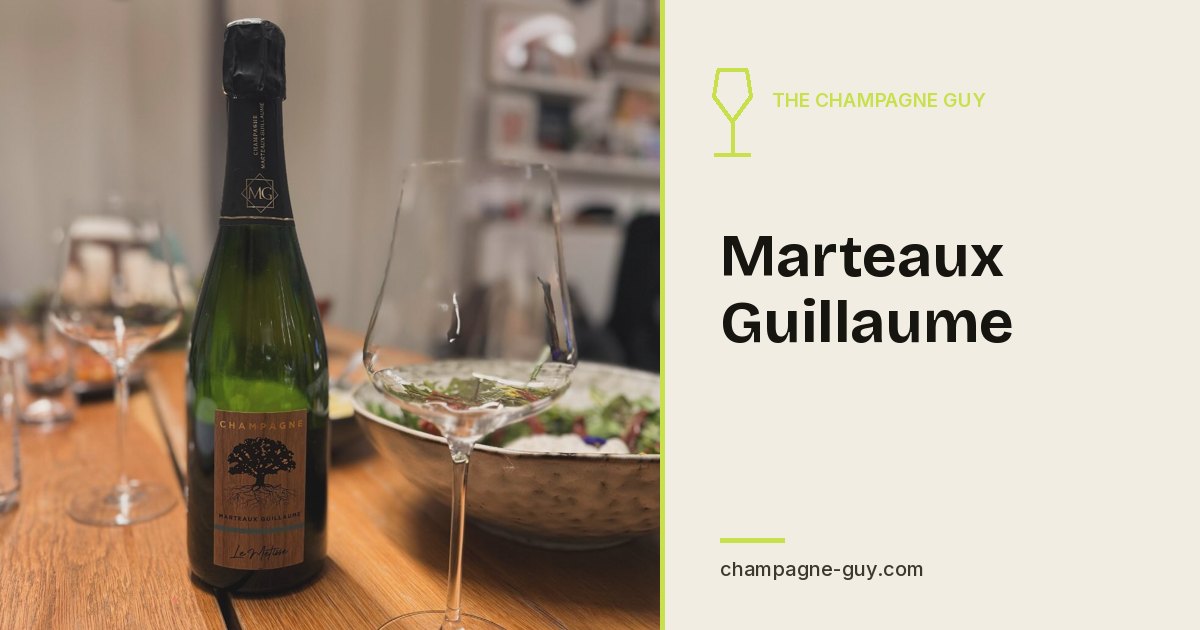
Champagne Marteaux Guillaume: Biodynamics in the Natural Amphitheater of Bonneil
Champagne Marteaux Guillaume (also Champagne MG) is a Récoltant-Manipulant from Bonneil in the Vallée de la Marne, Département Aisne. The village sits on the southwestern edge of the Champagne region and is classified as a UNESCO World Heritage site. Since 2003, Guillaume Marteaux has been running the estate in its fifth generation, after his parents Joël and Catherine switched from Récoltant-Coopérateur to Récoltant-Manipulant in 1996 and began producing their own champagne.
History
In 1996, Joël and Catherine Marteaux decided to stop delivering grapes to the cooperative and produce their own champagne instead. The push came from their son Guillaume, who sought independence from an early age. After studying oenology at the Lycée Viticole de la Champagne in Avize, Guillaume gradually took over part of the operation in 2003 at age 23. He built his own vinification facility himself and began composing his own cuvées, Champagne Marteaux Guillaume was born.
Grandfather Marcel Marteaux was a nursery specialist who supplied numerous champagne houses and growers with vine stocks. Over the generations, a sélection massale was built up and preserved, which today forms the basis for robust, locally adapted vines.
In 2018, Guillaume initiated the conversion to organic and biodynamic farming. After three conversion years, he harvested his first officially certified organic vendange (AB label) in 2022. The 2023 vendange additionally received Demeter certification for biodynamic practices.
Vignoble & Soil
The estate now farms 8 hectares of vineyard across three villages: Bonneil, Romeny-sur-Marne, and Charly-sur-Marne. Guillaume started in 2003 with just 0.75 hectares. The grape variety focus is on Pinot Meunier, complemented by Pinot Noir and Chardonnay, exact distribution percentages are not available.
Bonneil itself is a natural amphitheater with 120 meters of elevation difference and predominantly southern to southeastern exposure. The soils are argilo-limoneux and argilo-calcaires with marl and clay layers. A special feature: A sand vein runs through part of the slope, bringing additional diversity to the terroir. Documented annual production is around 31,000 bottles across all cuvées.
Viticulture & Sustainability
Since 2018, the entire vineyard has been farmed without synthetic chemicals. Guillaume uses cover crops, natural compost, biodynamic preparations, and exclusively manual harvesting. The sélection massale, cultivated over generations, provides resistant plants that are well adapted to the climate and soil. Biodiversity is actively promoted.
Vinification
Vinification follows a clear principle: spontaneous fermentation, no fining, minimal sulfur addition (only for protection), no malolactic fermentation. Fermentation takes place in stainless steel tanks and partly in oak barrels, depending on the cuvée, between 22% and 100% oak usage. For the non-vintage champagnes, Guillaume uses reserve wines that have been resting in a kind of perpetual system for around 20 years. His credo: "The old wine teaches the young wine how to age." The wines rest between 36 and 72 months on the lees. Dosage is done with grape sugar between 0 and 3.5 g/l (Brut Nature to Extra Brut).
The Cuvées in Detail
L'Indigène: Extra Brut
Blanc de Noirs from 100% Pinot Meunier from vines in Bonneil. Base 2018, 55% reserve wine, spontaneously fermented in stainless steel, 60 months on lees, dosed with 3.5 g/l. Golden copper color, aromas of peach, citrus, and sweet almond. Also available in magnum.
100% Meunier · 3.5 g/l · 60 months · Bonneil (spontaneous, unfined, 55% reserve)
Le Métisse: Extra Brut
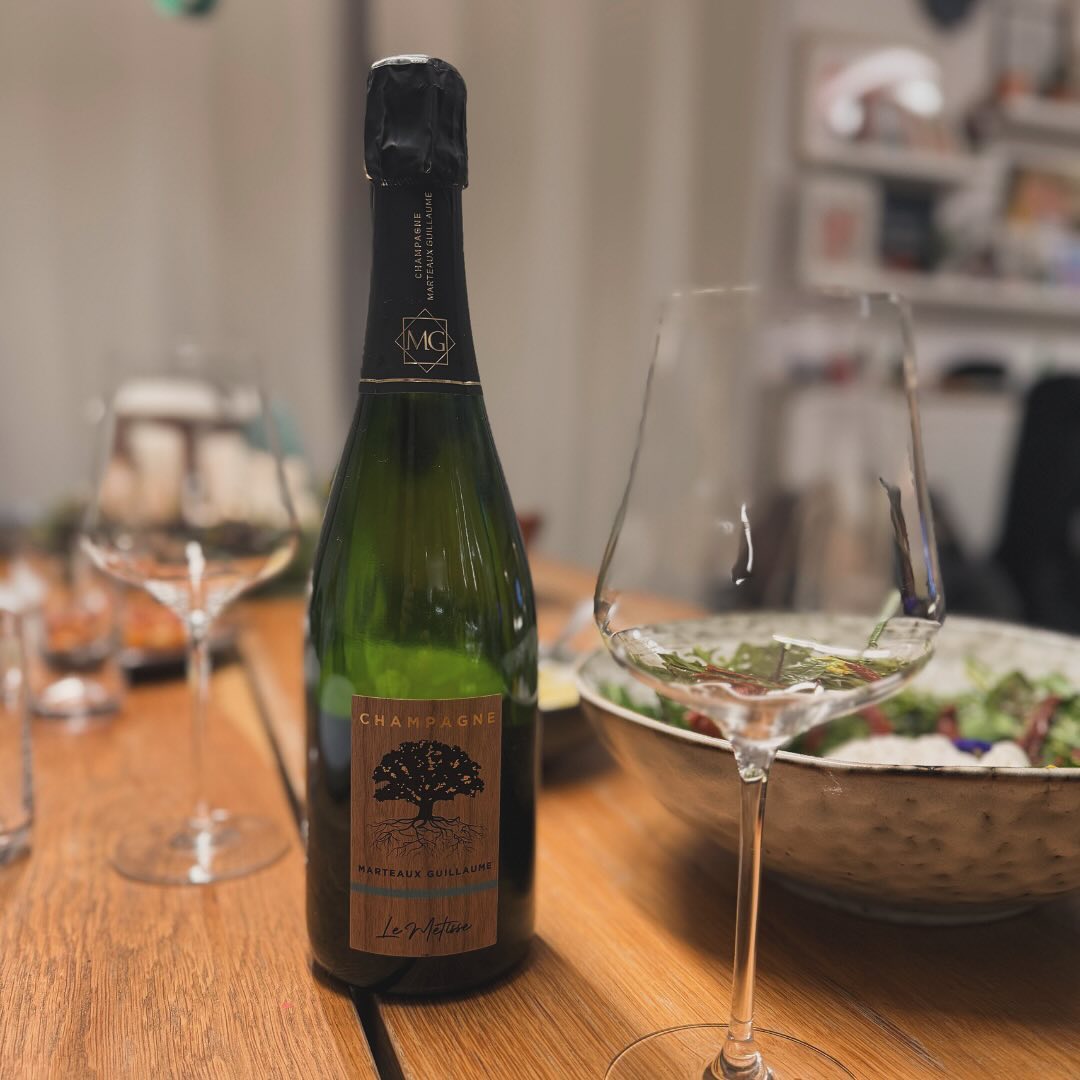
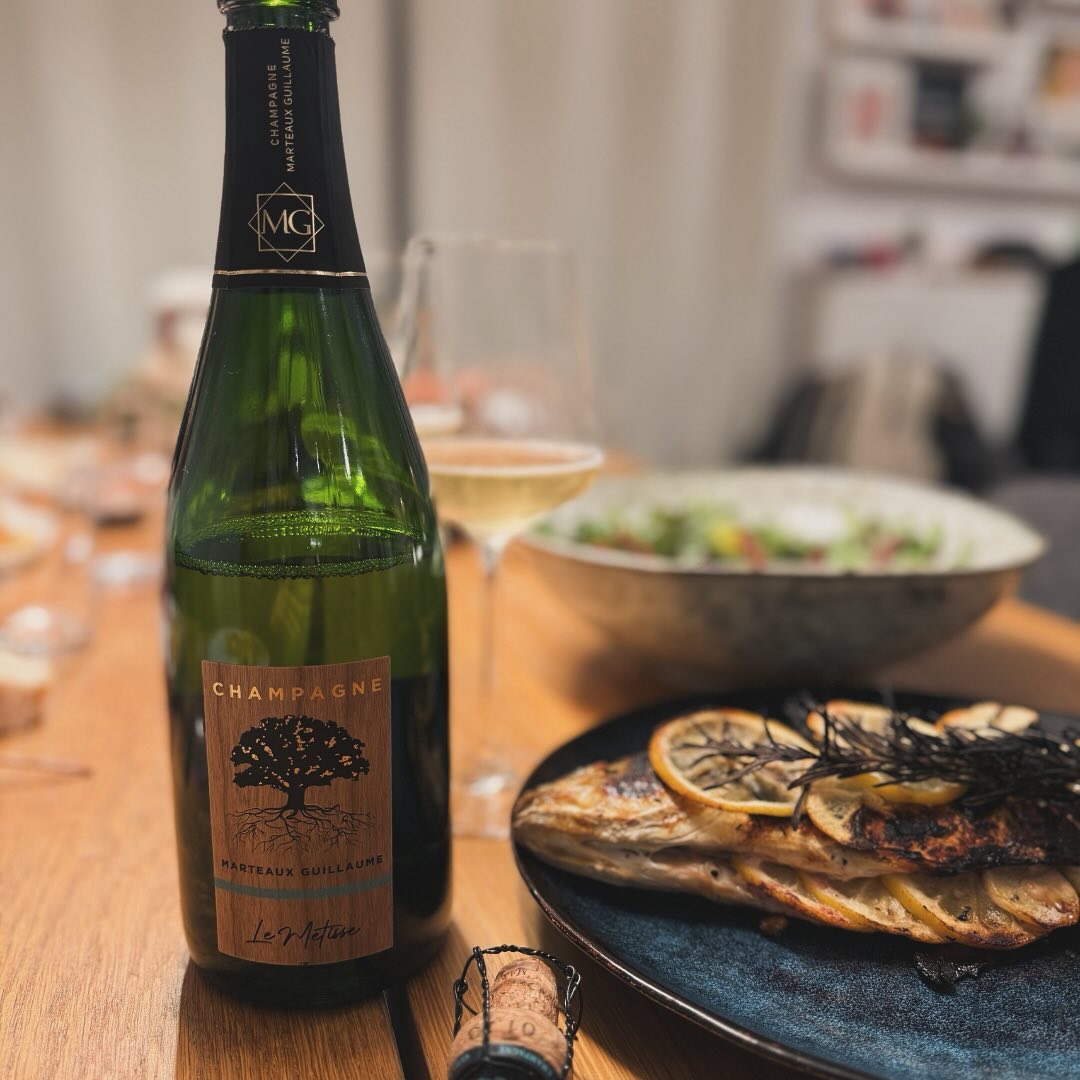
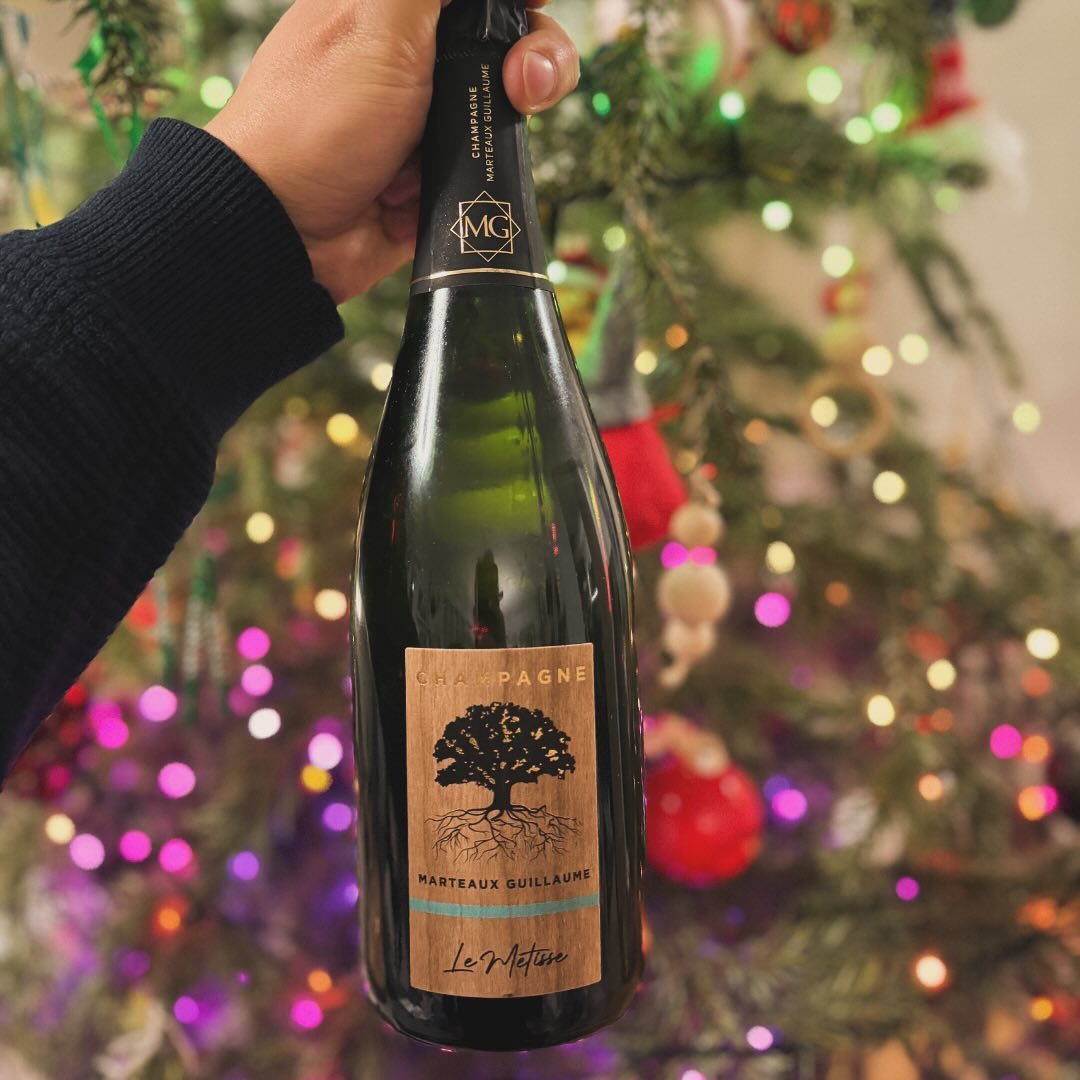
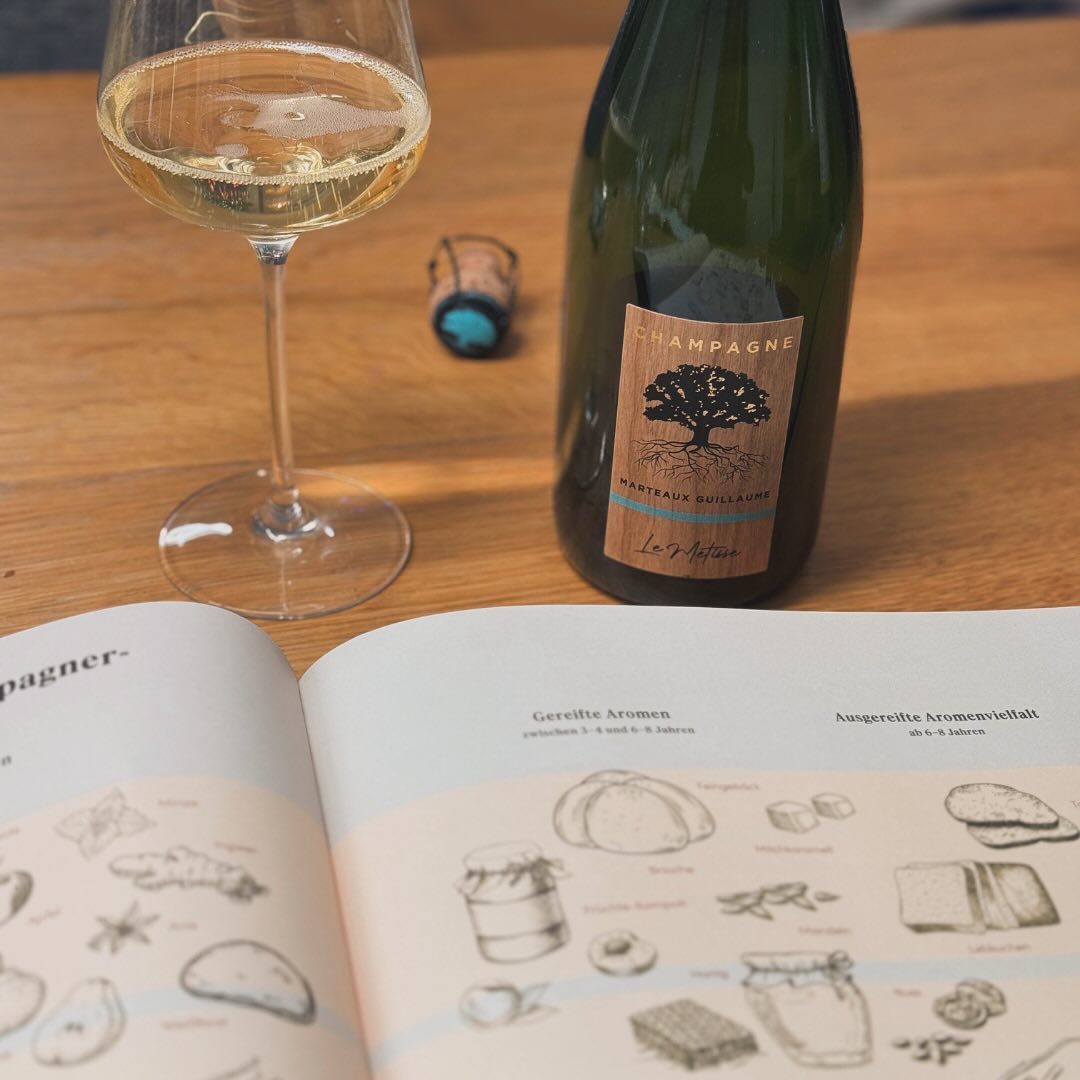
the_champagne.guy Heute ist Heiligabend, aber bei uns läuft’s ein bisschen anders. 🎅 Wir feiern Weihnachten „amerikanisch“ – die große Bescherung gibt’s erst morgen früh. Der 24. bleibt bei uns ein entspannter, aber doch magischer Tag. ✨ Der Morgen startet bei guten Freunden, mit einem großartigen Frühstück, einer Flasche @champagnepommery zum Anstoßen und ganz viel ausgelassener Stimmung. 🍾🥂 Am Nachmittag wird es dann kulinarisch: Wolfsbarsch vom Grill, den ich gestern schon vorbereitet habe – vakuumiert mit Zitronenscheiben, Rosmarin und Knoblauch. 😍 Dazu gibt’s einen spontanen Salat aus frischen Kräutern und essbaren Blüten, verfeinert mit Burrata und einem dezenten Dressing. 🥗 Die Frage aller Fragen: Welcher Champagner begleitet dieses Festessen? Meine Wahl: @champagnemgmarteauxguillaume – Le Métisse. 🎇 👉 Warum Le Métisse? - Eine klassische Cuvée aus Chardonnay (45 %), Pinot Meunier (36 %) und Pinot Noir (19 %), perfekt abgestimmt für feine Fischgerichte. - Extra Brut mit nur 3,5 g/l Dosage – trocken und elegant, ohne auf Frucht zu verzichten. - Reift 6 Jahre auf der Hefe, was ihm eine herrlich komplexe Aromenpalette verleiht: Weinbergpfirsich, Birne, Honig, gepaart mit einem Hauch von butterigem Brioche. - Perfekt für besondere Momente wie diesen! Jetzt wird der Korken geknallt, der Fisch gegrillt und der Abend genossen. 🥂🔥 Wie feiert ihr Heiligabend? 🎄🎁 Oder gibt’s bei euch die Bescherung schon heute Abend? Cheers und frohe Weihnachten! 🥂✨ #ChristmasEve #ChampagneMoments #LeMetisse #GuillaumeMarteaux #ChristmasVibes #TheChampagneGuy
Auf Instagram weiterlesen →Three-way blend of 47% Meunier, 30% Chardonnay, 23% Pinot Noir, vines in Bonneil and Romeny-sur-Marne. Base 2019, 16% reserve wine, 22% barrel, spontaneously fermented, 60 months aging, dosed with 3.5 g/l. Aromas of vineyard peach, pear, honey, and buttery brioche. Also as magnum (600 bottles).
47/30/23 M/C/N · 3.5 g/l · 60 months · Bonneil, Romeny (spontaneous, 22% barrel, 16% reserve)
Infusion: Rosé de Saignée Brut Nature
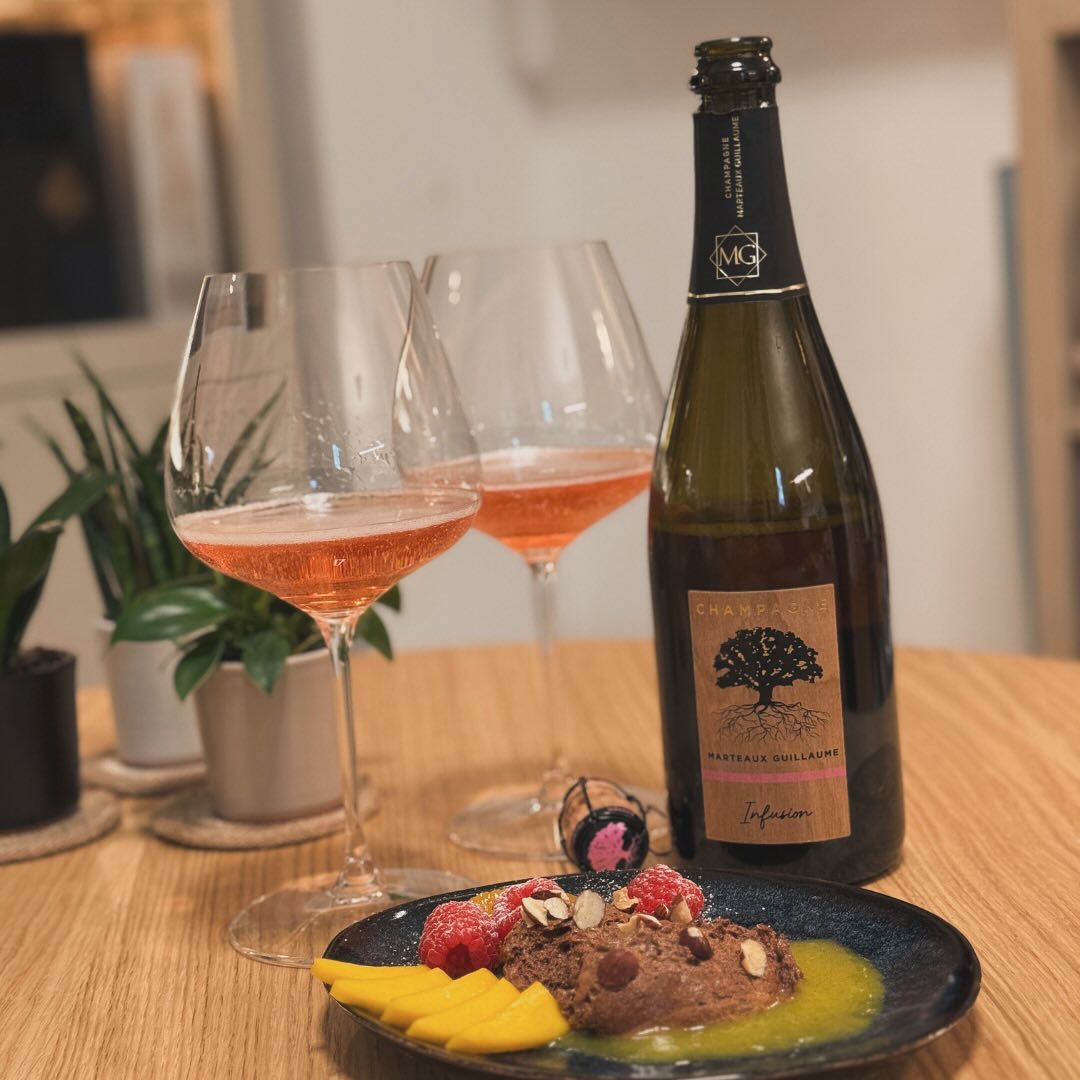
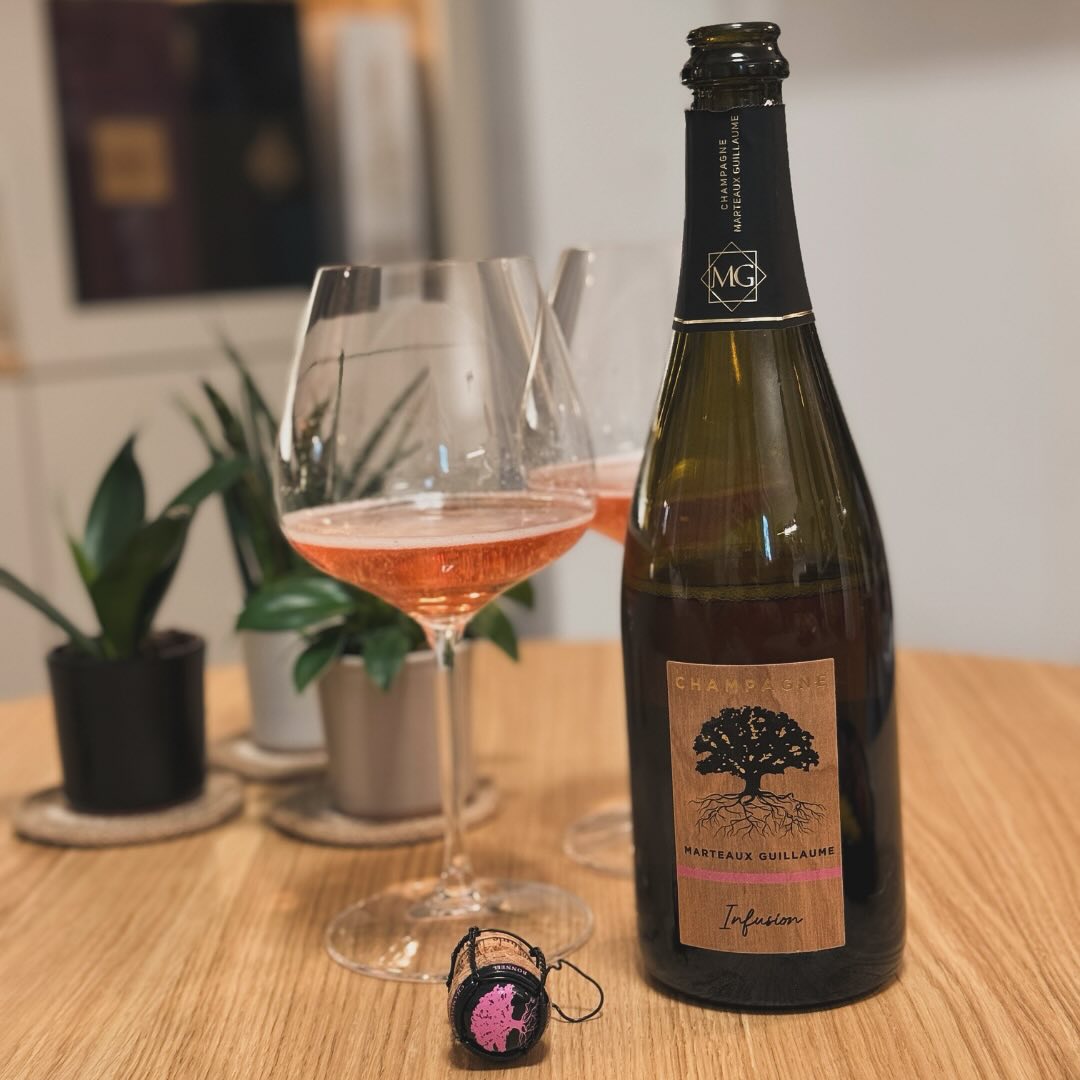
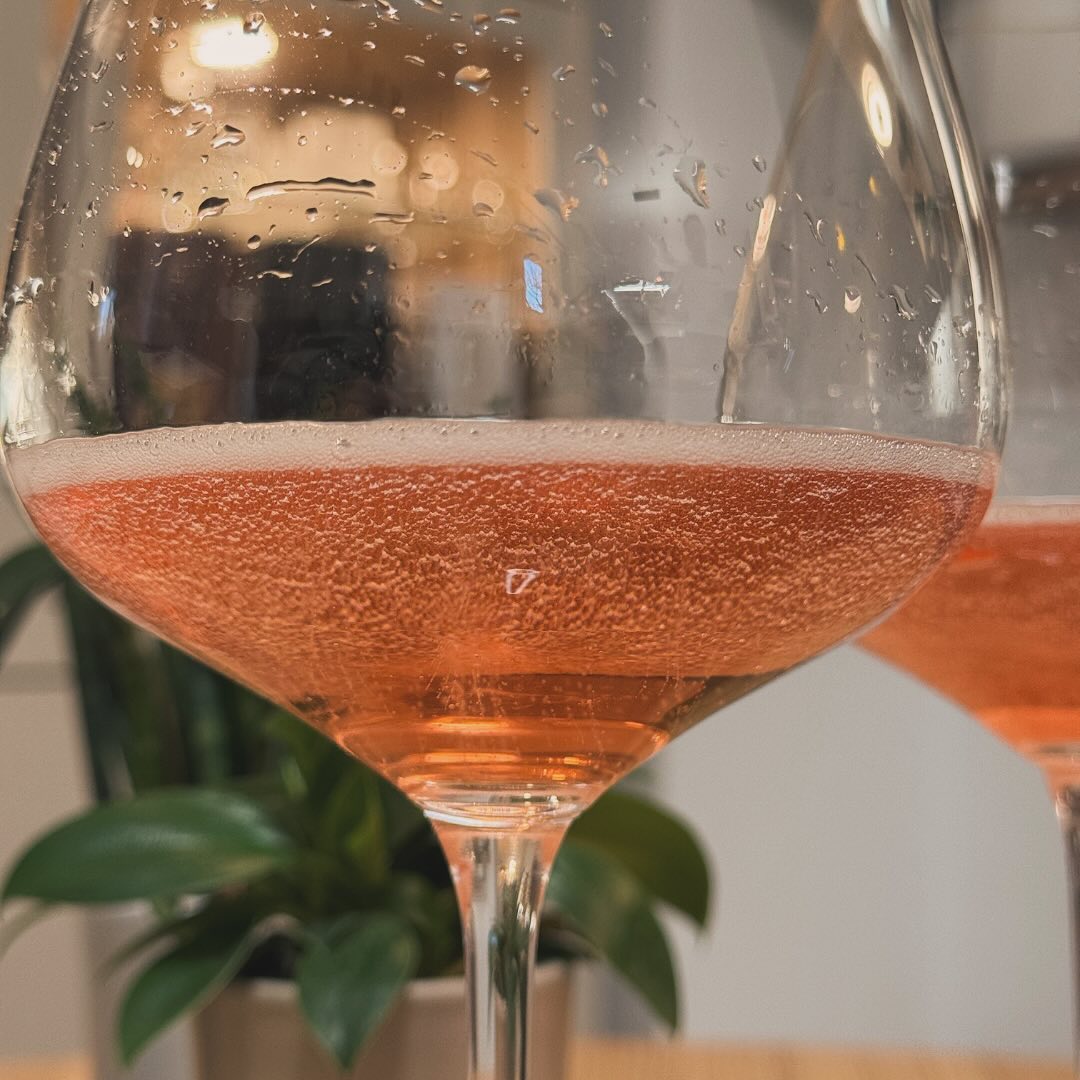
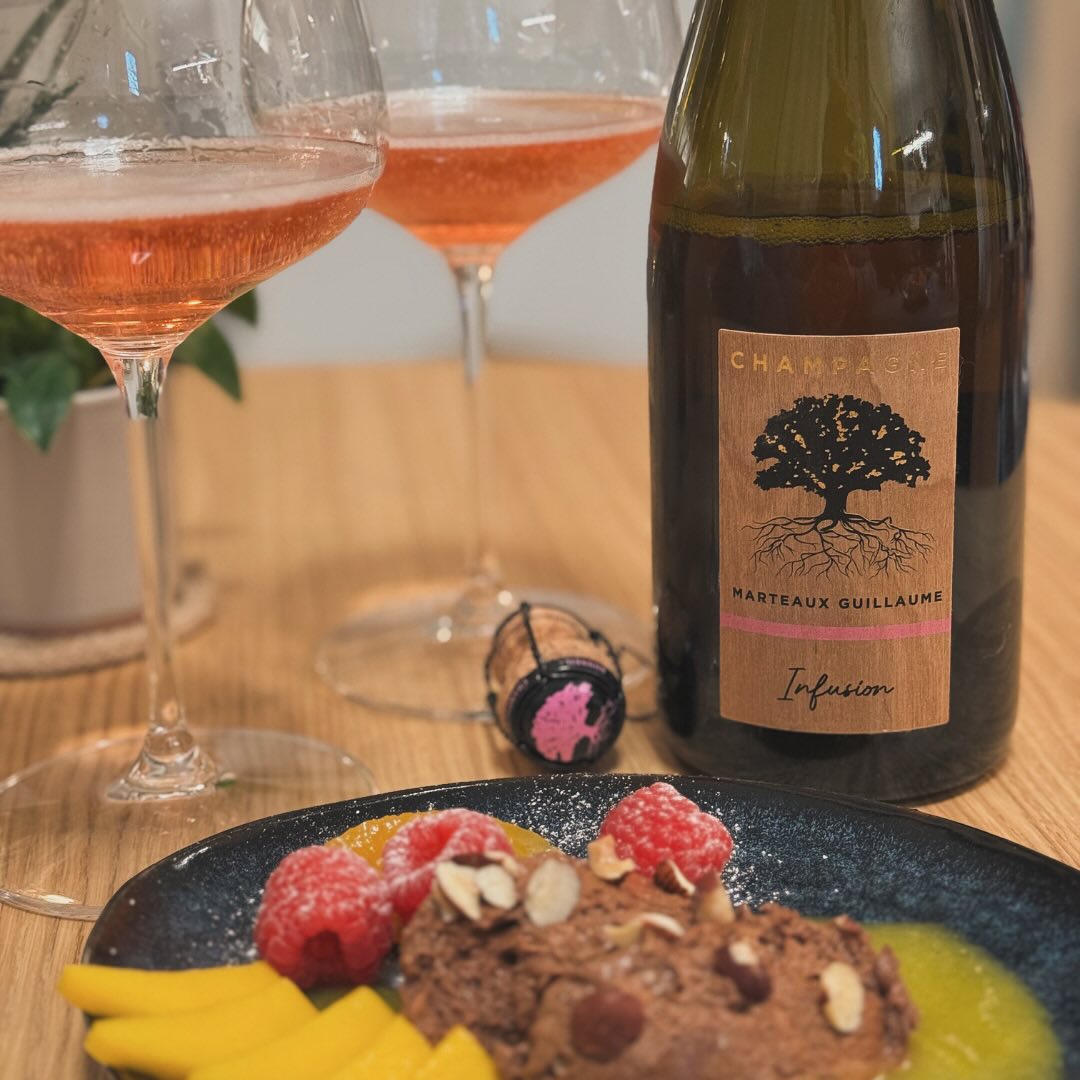
the_champagne.guy Ein Abend voller Aromen und Experimente – der @champagnemgmarteauxguillaume Infusion hat mich mal wieder überrascht! 🍾✨ Die Kombination aus der Mousse au Chocolat und dem Champagner war ein Volltreffer. Die roten Fruchtnoten und die Würze des Infusion harmonierten perfekt mit der cremigen Schokolade – so gut, dass ich nach ein paar Schlucken fast alles andere vergessen hätte. 😅 Aber das war erst der Anfang: Mein selbstgemachter Orangen-Mango-Spiegel, frische Himbeeren und Haselnüsse brachten noch mehr Komplexität ins Spiel. Zugegeben – die zusätzlichen Komponenten haben die Aromen fast überwältigend gemacht, aber genau das macht solche Experimente aus. Manchmal lernt man, dass weniger mehr ist. 😉 Für den Infusion habe ich heute bewusst mein bauchiges @riedel_official Rotweinglas gewählt. Sein fast rotweinartiger Charakter – geprägt durch die Rosé de Saignée-Methode und die Pinot Meunier-Dominanz – kommt darin hervorragend zur Geltung. Das Glas hebt die kräftigen Aromen und würzigen Noten ideal hervor. Was macht diesen Champagner besonders? - Rosé de Saignée: Intensive Farbe und kräftige Aromen durch kurze Mazeration der Traubenschalen. - Zusammensetzung: 80% Pinot Meunier, 20% Chardonnay. - Geschmack: Rote Beeren wie Cranberry und Schwarzkirsche, gepaart mit würzigen Noten. - Extra Brut: Mit 3,5 g/l Dosage trocken, aber wunderbar ausbalanciert. Fazit: Ein Champagner, der nicht nur solo glänzt, sondern auch bei komplexen Pairings eine beeindruckende Figur macht. Was sagt ihr – lieber pur genießen oder mutig kombinieren? 😊 #ChampagneMoments #MarteauxGuillaume #RoséDeSaignee #ChampagnePairing #MousseAuChocolat #RiedelGlas #ChampagneLove @maxiriedel
Auf Instagram weiterlesen →Saignée from 80% Meunier, 20% Chardonnay, vines in Romeny-sur-Marne (complantée). Base 2022, 0% reserve wine, completely fermented in barrel, spontaneous, 36 months aging, Brut Nature (0 g/l). Cranberry, black cherry, vanilla, almost red wine-like structure.
80/20 M/C · 0 g/l · 36 months · Romeny, complantée (spontaneous, barrel, 0% reserve)
Le Métèque: Blanc de Blancs Extra Brut
100% Chardonnay from parcels in Bonneil and Charly-sur-Marne on argilo-calcaire and sand. Base 2020, 26% reserve wine, 33% barrel, spontaneously fermented, 48 months aging, dosed with 1 g/l. Citrus, minerality.
100% C · 1 g/l · 48 months · Bonneil, Charly (spontaneous, 33% barrel, 26% reserve)
Esprit Terroir: Brut Nature Millésimé 2018
2018 vintage from 85% Chardonnay, 15% Pinot Noir, vines in Bonneil. Spontaneously fermented, 100% barrel, no malolactic fermentation, 72 months aging, Brut Nature (0 g/l). Rich golden color, deep aromatics, natural micro-oxygenation, tannic backbone. Freshness, minerality, exotic fruits, saffron-like spices. Can be decanted 20 minutes before serving.
85/15 C/N · 0 g/l · 72 months · Bonneil Millésime 2018 (spontaneous, 100% barrel, no reserve)
Complètement Marteaux: Ratafia Champenois
Not champagne, but Ratafia: 77% fresh grape juice (Pinot Meunier) with 23% Fine de Champagne. Base 2023, 24 months aging in oak barrel (September 2023 to September 2025). Ruby color, aromas of red berries and intense black cherry. Collector's Edition 4.5 L on request.
77% Meunier juice, 23% Fine · 24 months barrel · Bonneil 2023
My Tastings
- L'Indigène Extra Brut · 2025-01-11
- Infusion · 2025-01-18
Facts
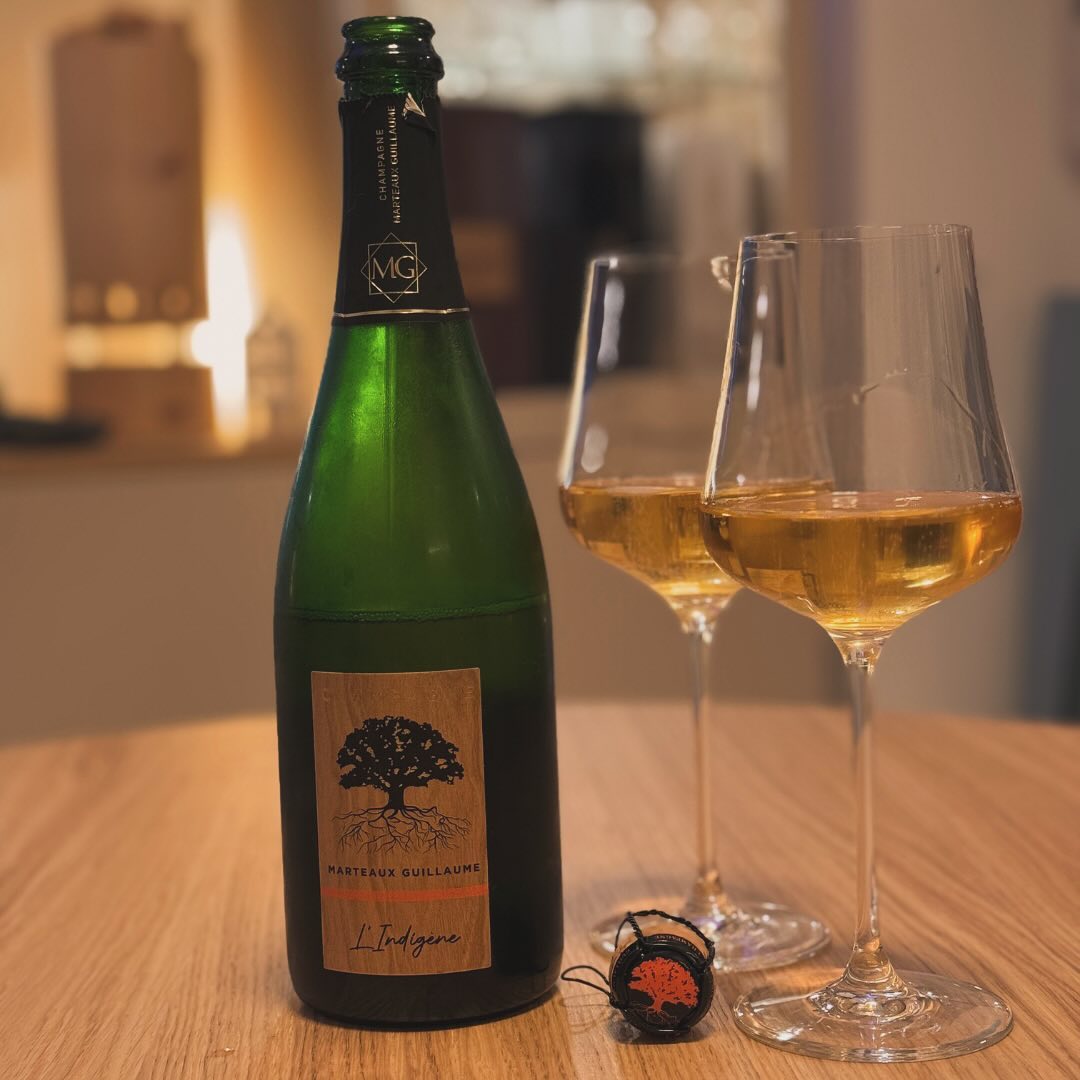
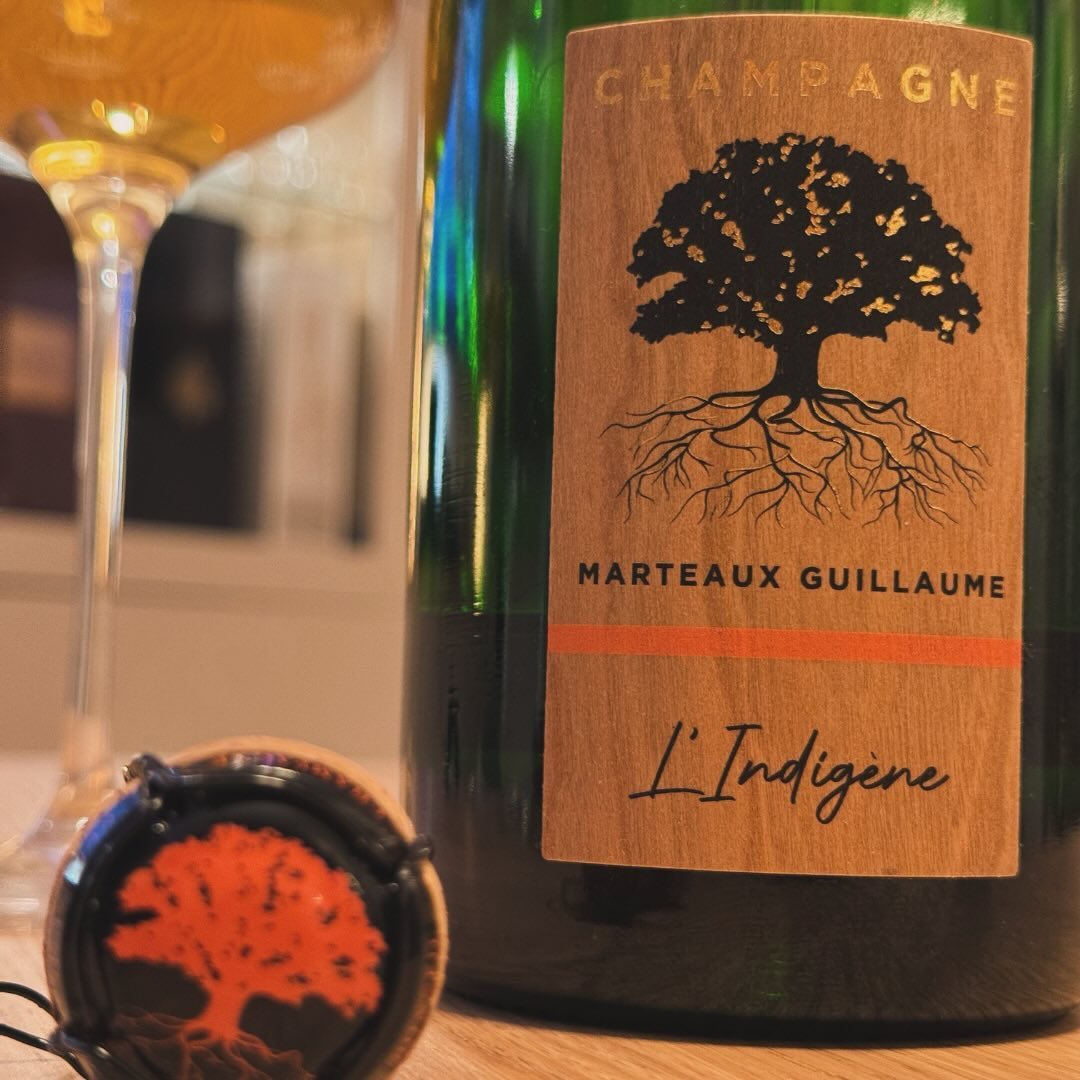
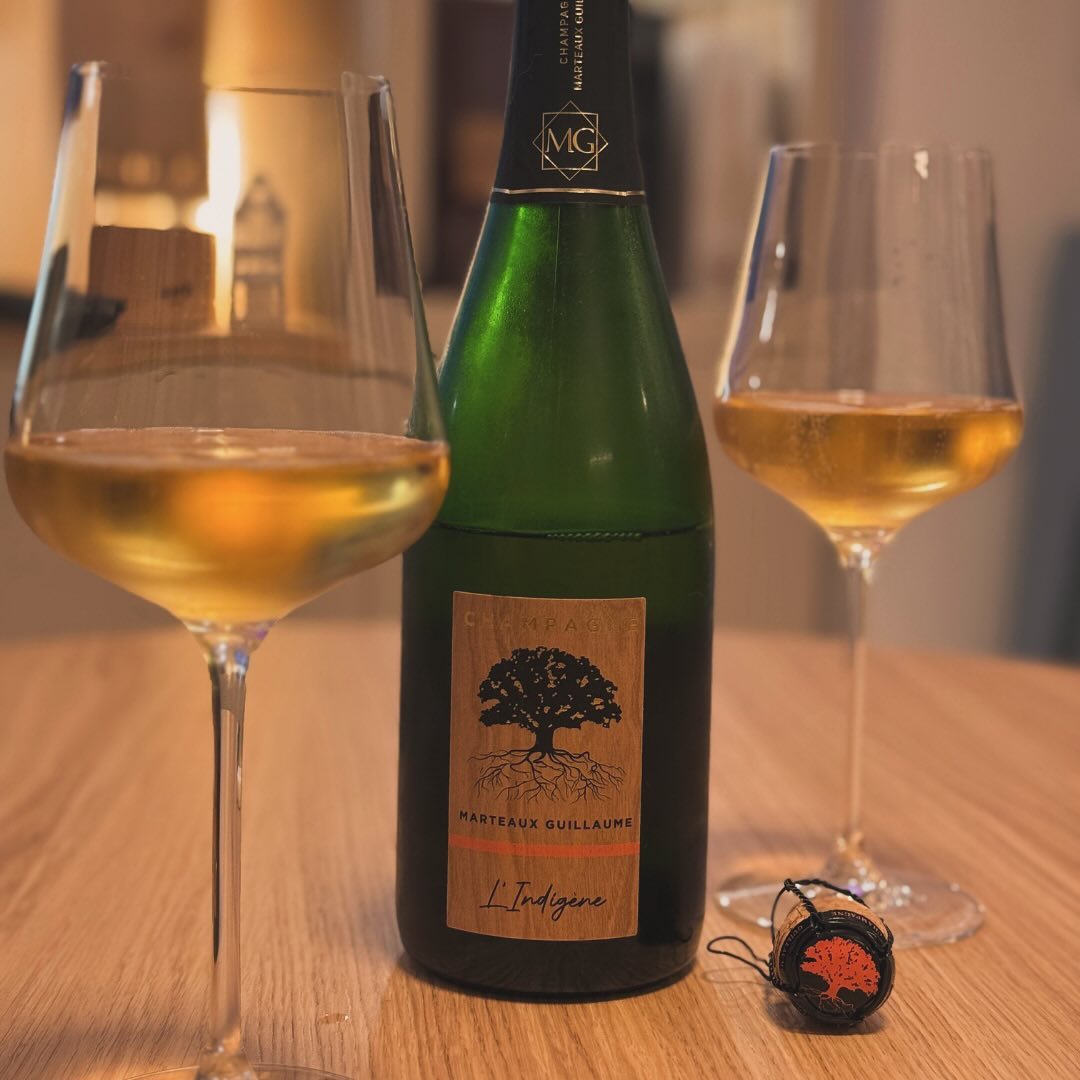
the_champagne.guy Freitagabend, keine großen Pläne, aber Lust auf etwas Besonderes – also habe ich den L’Indigène Extra Brut von @champagnemgmarteauxguillaume geöffnet. 🥂 Einfach so, weil Champagner manchmal genau das ist, was man braucht, um die Woche entspannt ausklingen zu lassen. Warum dieser Champagner besonders ist: - 100% Pinot Meunier: Kraftvoll und elegant, mit einer tollen Balance. - Spontangärung: Keine zugesetzten Hefen – nur pure Natürlichkeit im Glas. - Brut Nature: Null Dosage, 100% Charakter. - Reifung: Ganze 6 Jahre auf der Hefe, was ihm diese cremige Textur und Tiefe verleiht. Was ich geschmeckt habe: Reife Früchte, ein Hauch von Mandeln und – ich bilde mir ein – etwas Würziges wie Nelke. Manchmal braucht es keine große Idee hinter einem Champagnerabend. Einfach genießen, den Moment feiern und sich darüber freuen, wie viel Handwerk und Leidenschaft in so einer Flasche steckt. Trinkt ihr Champagner auch einfach mal „ohne Anlass“? #MarteauxGuillaume #LIndigene #BrutNature #PinotMeunier #ChampagneTime #FreitagAbend #TheChampagneGuy
Auf Instagram weiterlesen →| Category | Récoltant-Manipulant (RM 67019) |
| Founded | 1996 (Joël & Catherine Marteaux) |
| Management | Guillaume Marteaux (since 2003, 5th generation) |
| Location | Bonneil, Vallée de la Marne, Aisne (02) |
| Vineyard | 8 ha (Bonneil, Romeny-sur-Marne, Charly-sur-Marne) |
| Grape varieties | Pinot Meunier (main variety), Pinot Noir, Chardonnay |
| Soils | Argilo-limoneux, argilo-calcaires, marl, clay, sand vein |
| Viticulture | Biodynamic, AB & Demeter (conversion from 2018, organic from 2022, Demeter from 2023) |
| Specialties | Spontaneous fermentation, no MLF, 36-72 months lees aging, perpetual reserve ~20 years, dosage with grape sugar |
| Production | ~31,000 bottles (documented) |
| Website | champagne-mg.com |
| @champagnemgmarteauxguillaume |
Sources for this portrait: Producer website, personal tastings, CRM data and cross-checks. Fields without sufficient verification remain open.