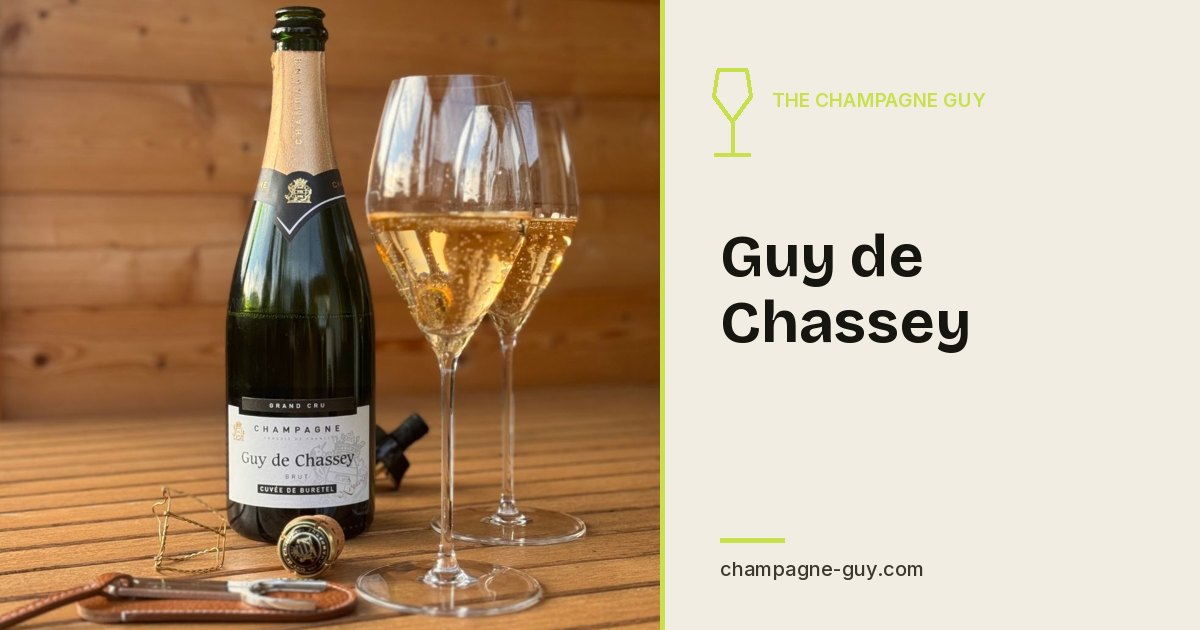
Champagne Guy de Chassey: Grand Cru Louvois in its seventh generation
Champagne Guy de Chassey is a Récoltant-Manipulant from Louvois in the Montagne de Reims, one of only 17 Grand-Cru villages in all of Champagne. The house is currently run in its seventh generation by Marie Odile de Chassey and her daughter Ingrid, a female generational transition that continues a long tradition. Until the third generation, the family operated under the name Lucien Beaufort, before the current name was introduced.
History
The history of Louvois goes back far: around 1100, the castle of Louvois was built, giving the village its name. In the 13th century, Gaucher de Châtillon became the first Seigneur de Louvois. Around 1600, Michel le Tellier, father of the famous Louvois, minister under Louis XIV, bought the ruined castle and had it restored. A century later, the estate passed to the Dames de France, and Marie-Antoinette stayed there regularly.
The French Revolution in 1789 severely damaged the castle, with only parts remaining. At the same time, the family began working as vignerons, initially in the first two generations as grape suppliers. From the third generation, around 1850, the family began manipulating their own bottles under the name Lucien Beaufort.
The transition to the current name Guy de Chassey occurred in a later generation, though the exact year is not verified. Today, Marie Odile de Chassey and her daughter Ingrid run the Maison, a female generational transition that continues the tradition across seven generations.
Vignoble & Terroir
The house manages 9.5 hectares across three villages: Louvois and Bouzy, both Grand Cru, plus Tauxières-Mutry (Premier Cru at 99%). The grape variety distribution is clear: 75% Pinot Noir and 25% Chardonnay, no Meunier.
The soils are argilo-calcaire, a clay-limestone mixture, with south and southeast exposure that brings warmth and ripeness, while the limestone provides tension and minerality. The old vines for the Cuvée Antide and the Pinot-Noir parcels in Bouzy define the house signature: powerful and structured, but always carried by natural acidity.
Viticulture & Sustainability
Guy de Chassey works according to Viticulture raisonnée, an approach that emphasizes conscious management of soil, water, air, and fauna. Part of the vineyards is grassed, another part is plowed to promote biodiversity and soil health. The house is HVE-certified (Haute Valeur Environnementale), the highest French environmental level in viticulture, with correspondingly high standards for plant protection, fertilization, and water management.
Vinification
Pressing is done in a wooden vertical press, a gentle, traditional method of must extraction. Alcoholic fermentation takes place in thermoregulated stainless steel tanks at around 18°C to preserve fruit and precision.
Malolactic fermentation is deliberately blocked to maintain freshness, aging potential, and the natural acidity of the grapes. Individual cuvées like the Antide age in oak barrels, where the wood is finely integrated and never dominant. Remuage is done completely by hand. The house philosophy remains the same across seven generations: precision, freshness, and preservation of fruitiness.
The Cuvées in Detail
Brut Cuvée de Buretel
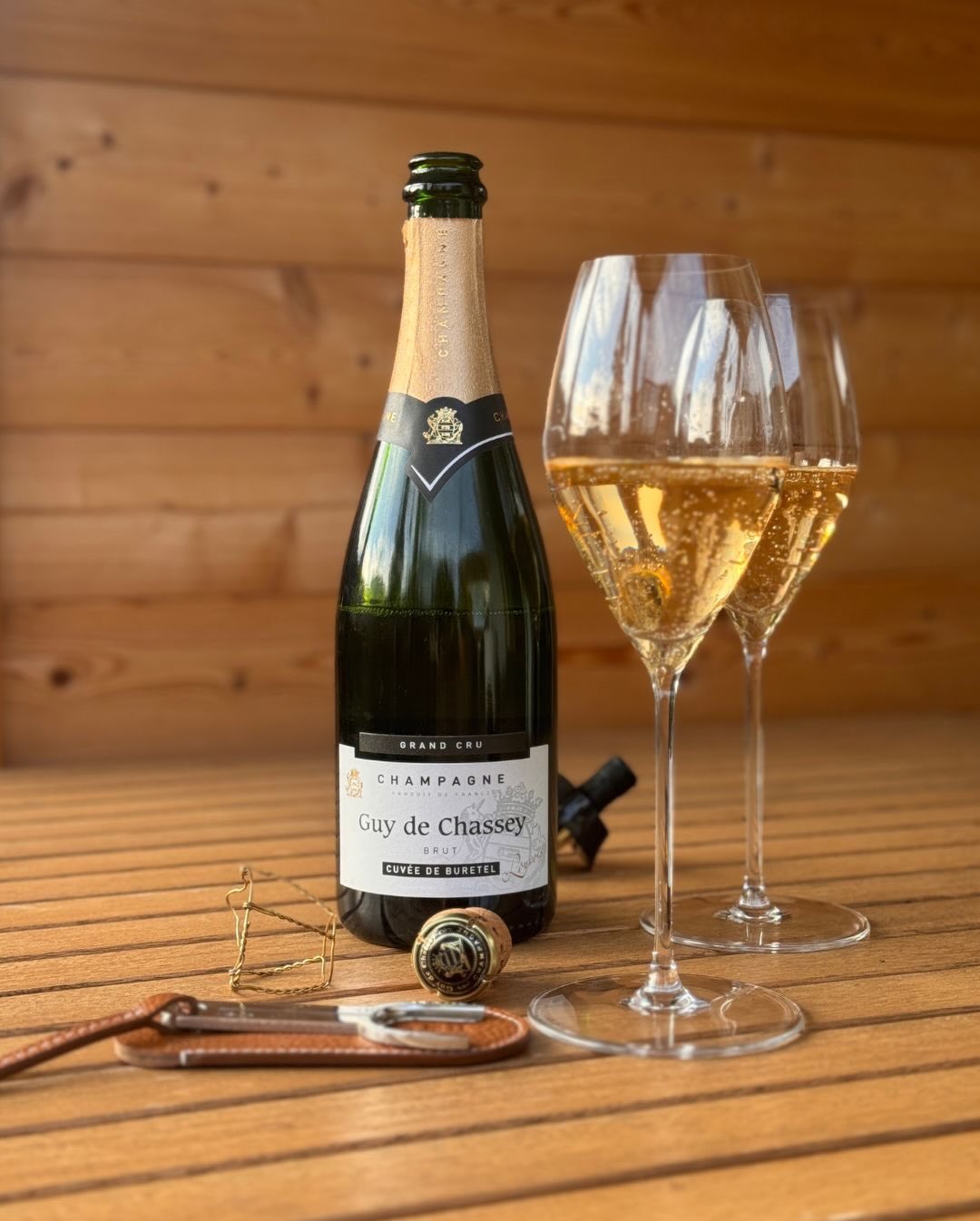
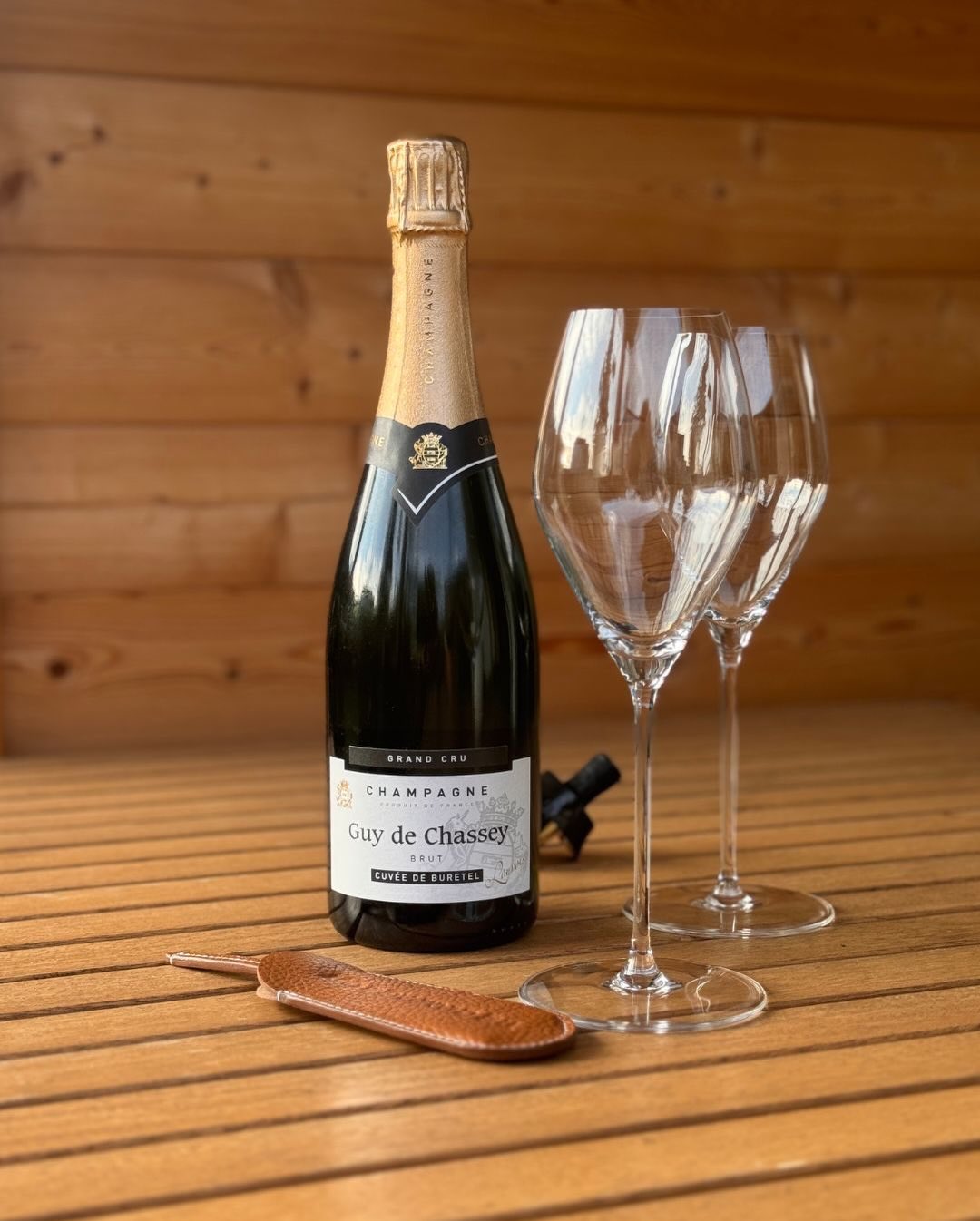
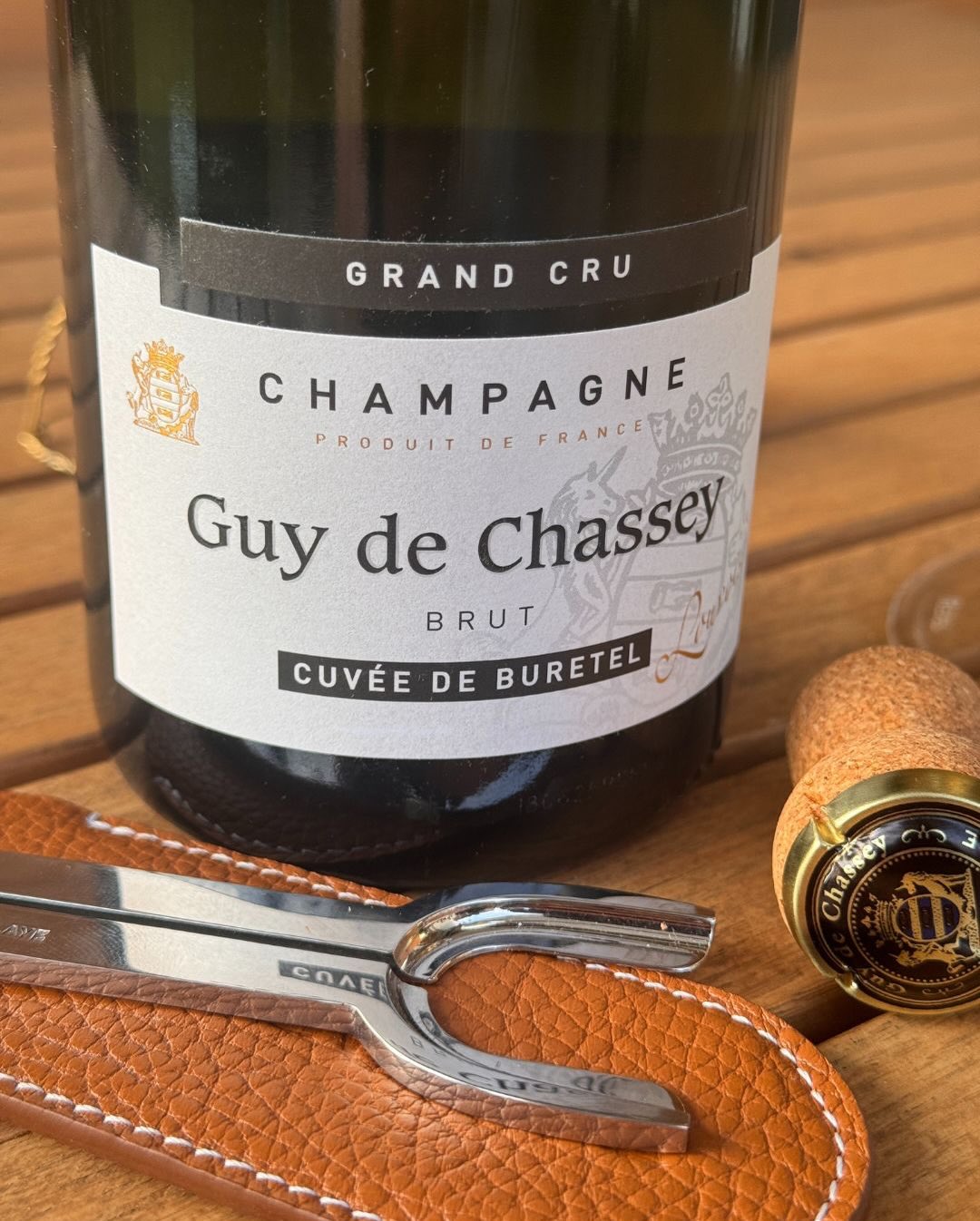
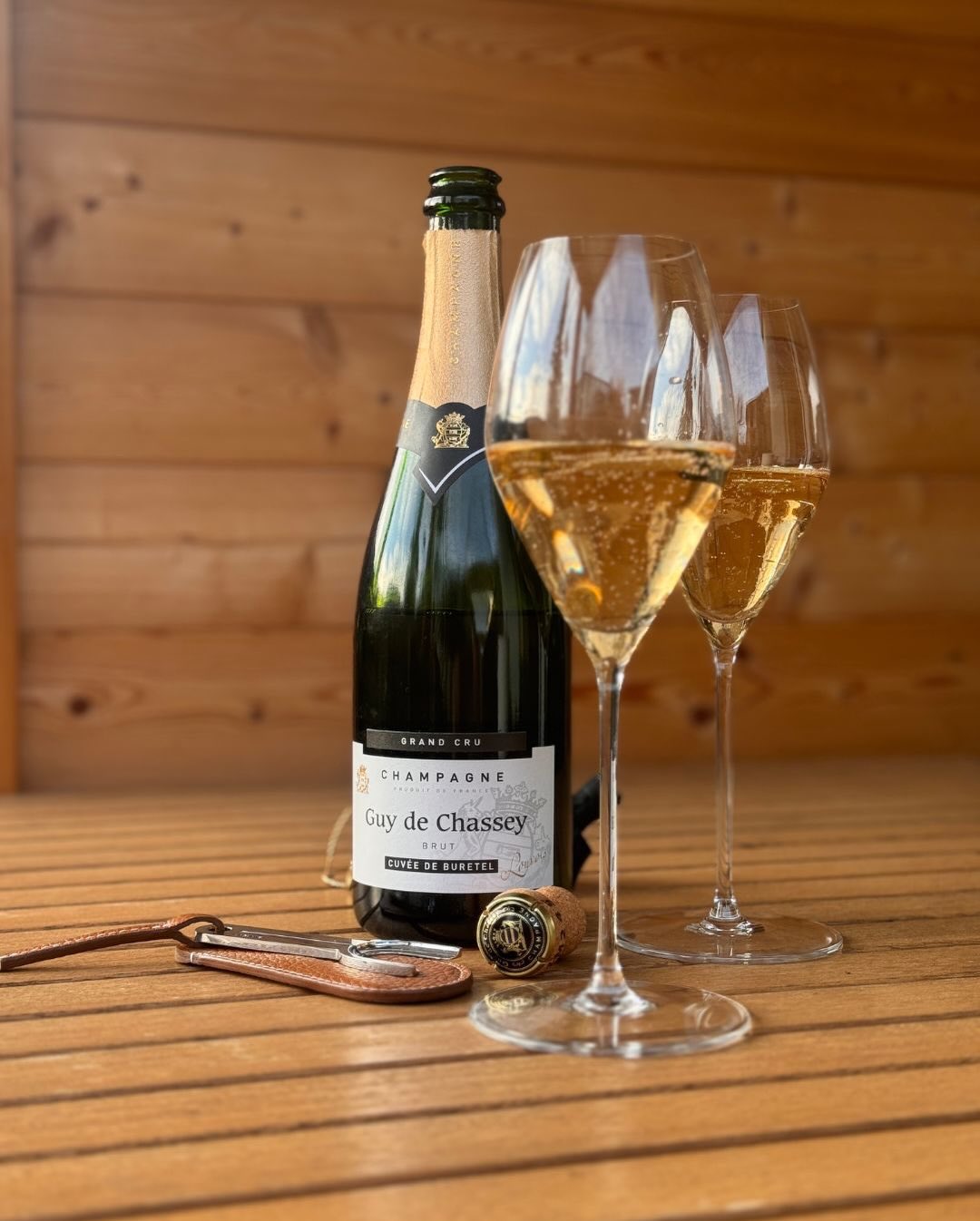
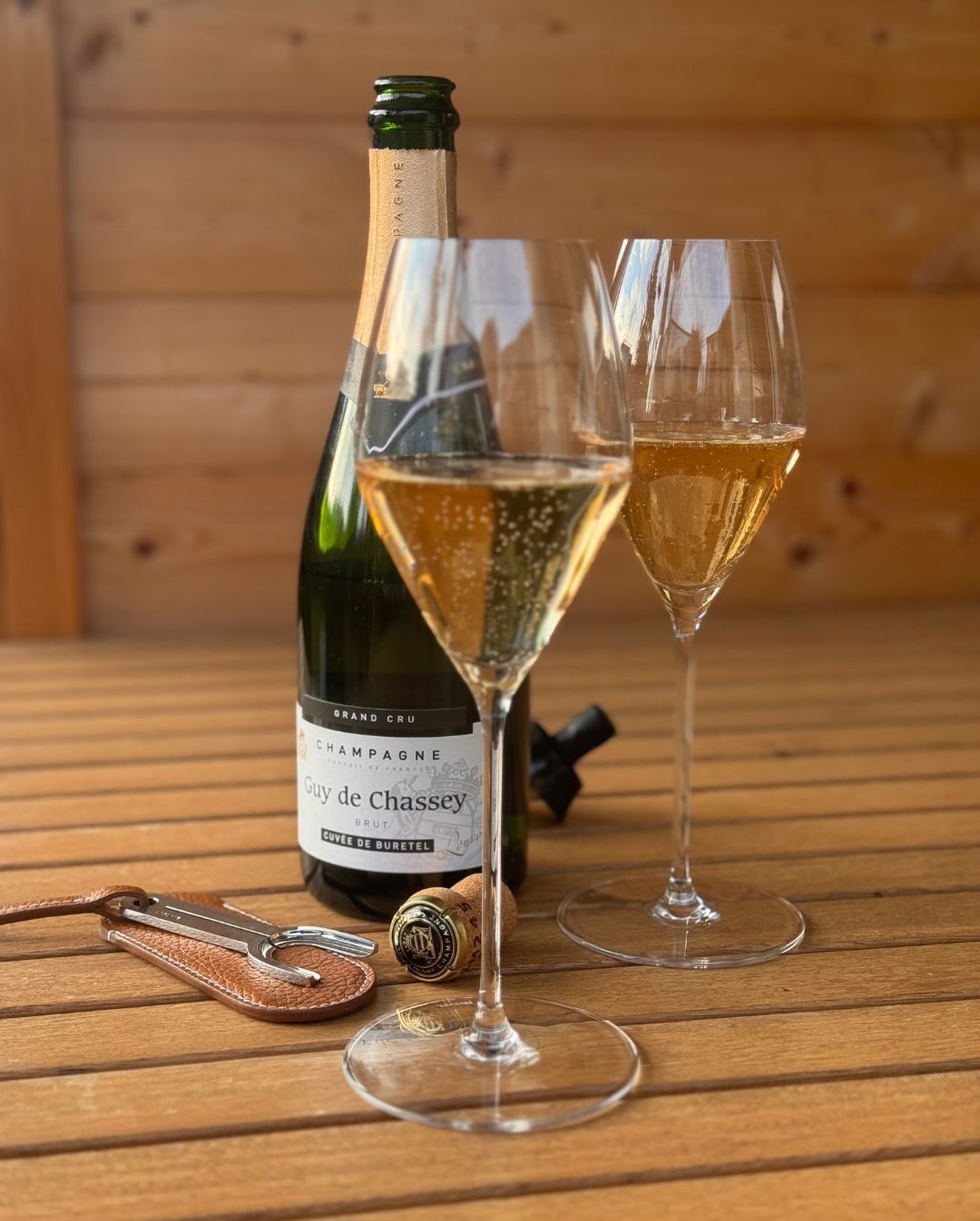
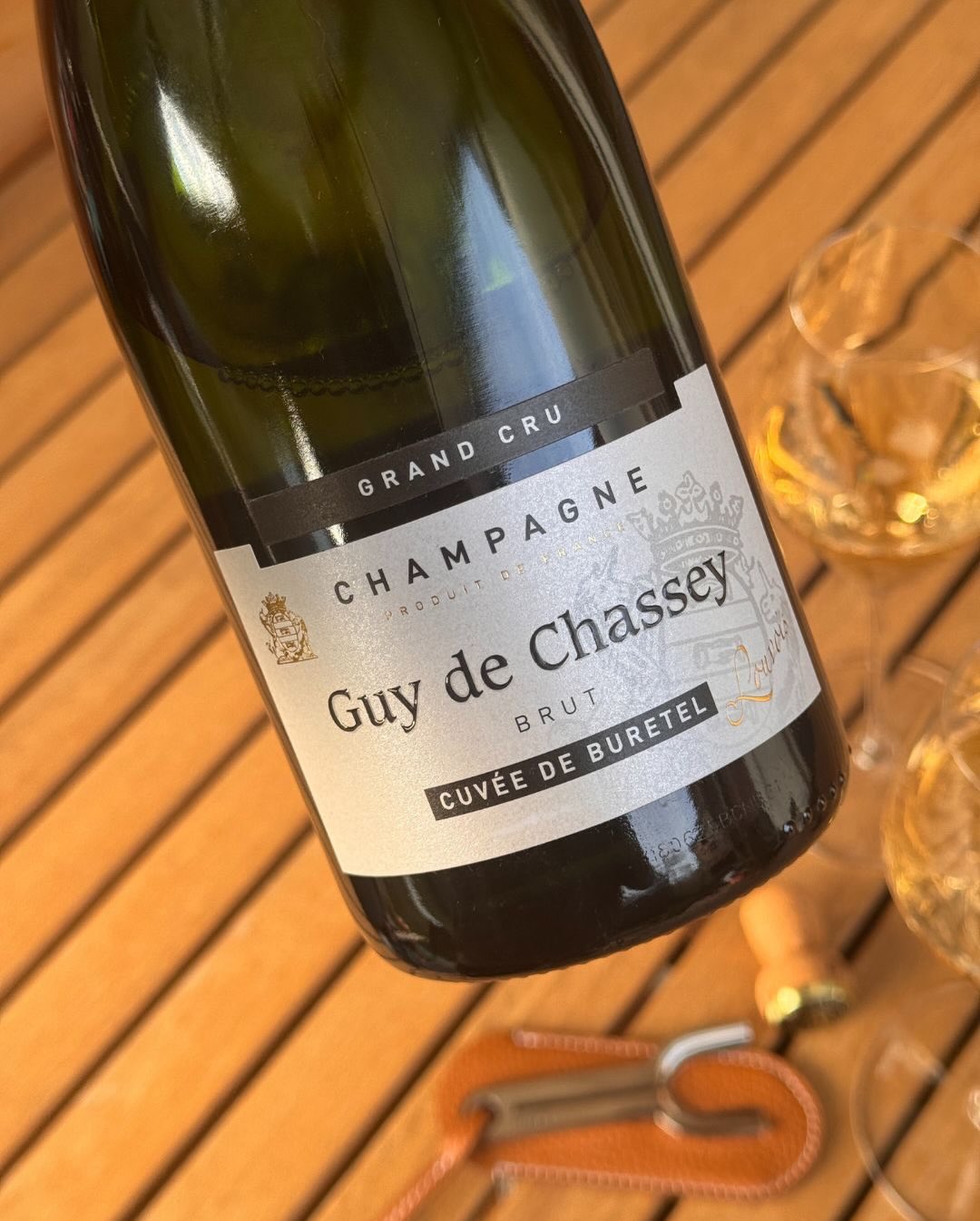
the_champagne.guy Von @champagneguydechassey hatte ich ja nun schon ein paar Flaschen im Glas – und bisher waren alle sehr solide und haben durchweg richtig Spaß gemacht. Genauso die Cuvée de Buretel, die ich heute geöffnet habe. Das Haus Guy de Chassey aus Louvois zeigt mit dieser Cuvée eindrucksvoll, was in seinen Grand-Cru-Trauben steckt. Die Assemblage ist klassisch vom Terroir der Montagne de Reims geprägt: 70 % Pinot Noir geben dem Wein Kraft und Struktur, während 30 % Chardonnay für die nötige Eleganz sorgen. Was mir an diesem Ausbau besonders gefallen hat: Die malolaktische Gärung wurde hier bewusst blockiert! Das erhält die natürliche Knackigkeit der Trauben und sorgt für eine brillante Frische und tolle Spannung am Gaumen, die die 9 g/l Dosage wunderbar ausbalanciert. Champagne-Facts 🥂 🍇 70 % Pinot Noir · 30 % Chardonnay 🏆 Klassifikation: 100 % Grand Cru 📍 Herkunft: Louvois (Montagne de Reims) 🍷 Ausbau: Stahltank, **keine** malolaktische Gärung 🕰 Reifung: 36 Monate auf der Hefe 🍬 Dosage: 9 g/l (Brut) Fazit: Ein frischer, strukturierter Champagner, der wieder einmal beweist, dass man für absoluten Grand-Cru-Genuss nicht immer auf die ganz großen, bekannten Namen zurückgreifen muss. Und trotz Sonnenschein braucht es bei nur 6 Grad draussen heute mal keinen Kühler ❄️ #TheChampagneGuy @riedel_official @laclaye #GuyDeChassey #MontagneDeReims #Winzerchampagner #GrowerChampagne
Auf Instagram weiterlesen →Amber-colored robe, white flowers, spices, citrus fruits, and white fruits in syrup. The Pinot Noir provides power, the Chardonnay finesse. Multiple awards, including 2** in Guide Hachette 2023 and Bronze Medal at Decanter 2018.
70% Pinot Noir, 30% Chardonnay
Sec
Amber-colored robe, similar aromatic profile to the Buretel cuvée, white flowers, spices, citrus fruits, but with higher dosage. Balance between power and finesse, well-suited for dessert pairing.
70% Pinot Noir, 30% Chardonnay
Brut Rosé
Rosé with salmon reflections, initially fine and subtle, then rich and complex. Red and black fruits shape the aromatics. The Pinot Noir comes from old vines in Bouzy Grand Cru, with part vinified as red wine and assembled. Silver Medal Mondial de Bruxelles 2023, 92 points Wine Spectator.
70% Pinot Noir, 30% Chardonnay · Bouzy Grand Cru
Rosé Dry
Higher-dosed rosé version with fruity bouquet, red fruits, fresh and gourmand. Perfect for desserts. Pinot Noir from old vines in Bouzy Grand Cru.
70% Pinot Noir, 30% Chardonnay · Bouzy Grand Cru
Blanc de Noirs
Pure Pinot Noir in golden robe, white fruits at full ripeness with candied citrus. Beautiful tension, mandarin and lemon marmalade, mineral finish. Extra Brut dosage. Grande Médaille d'Or Mondial de Bruxelles 2023, 2** Guide Hachette 2022.
100% Pinot Noir · Extra Brut
Brut Millésime 2015
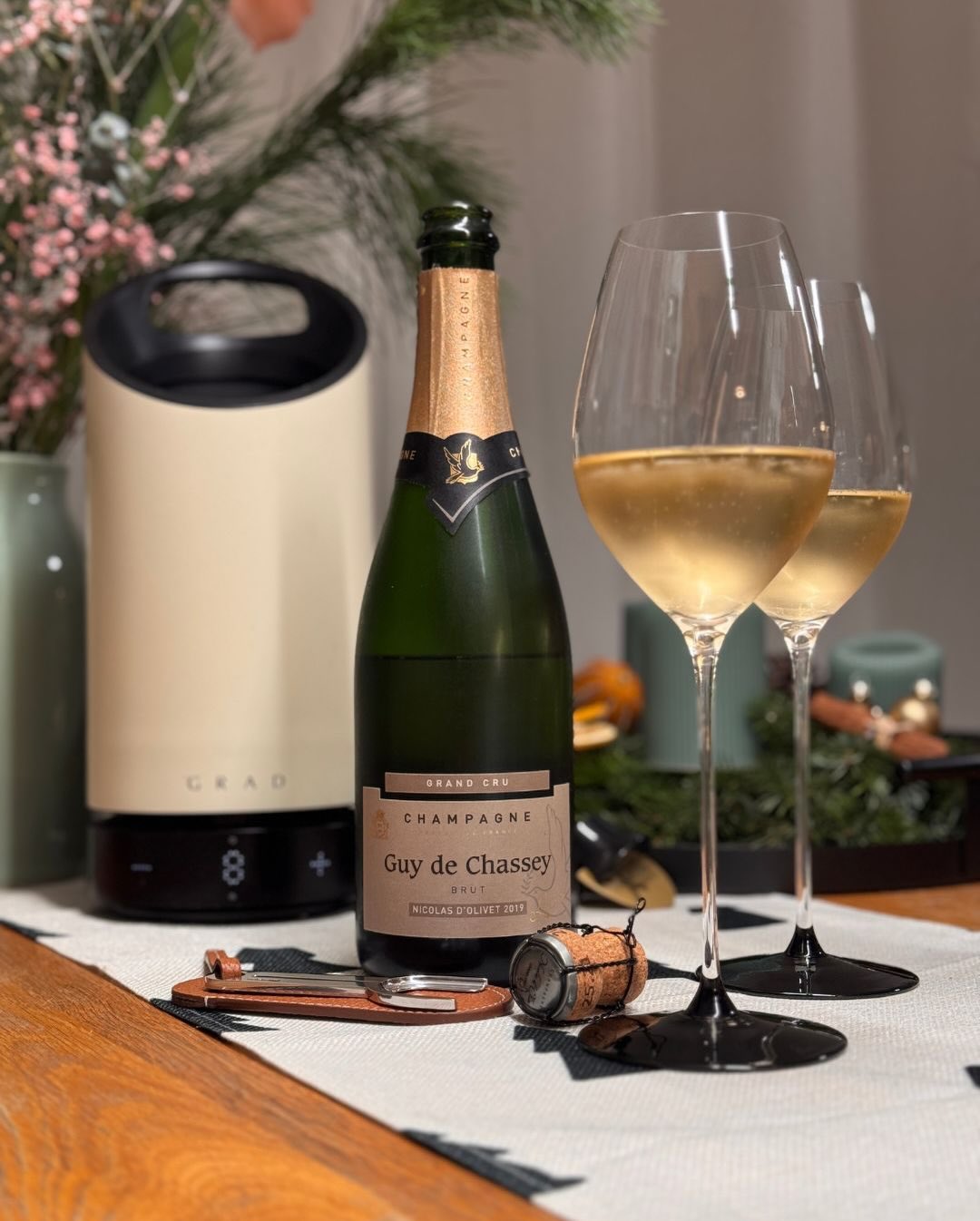
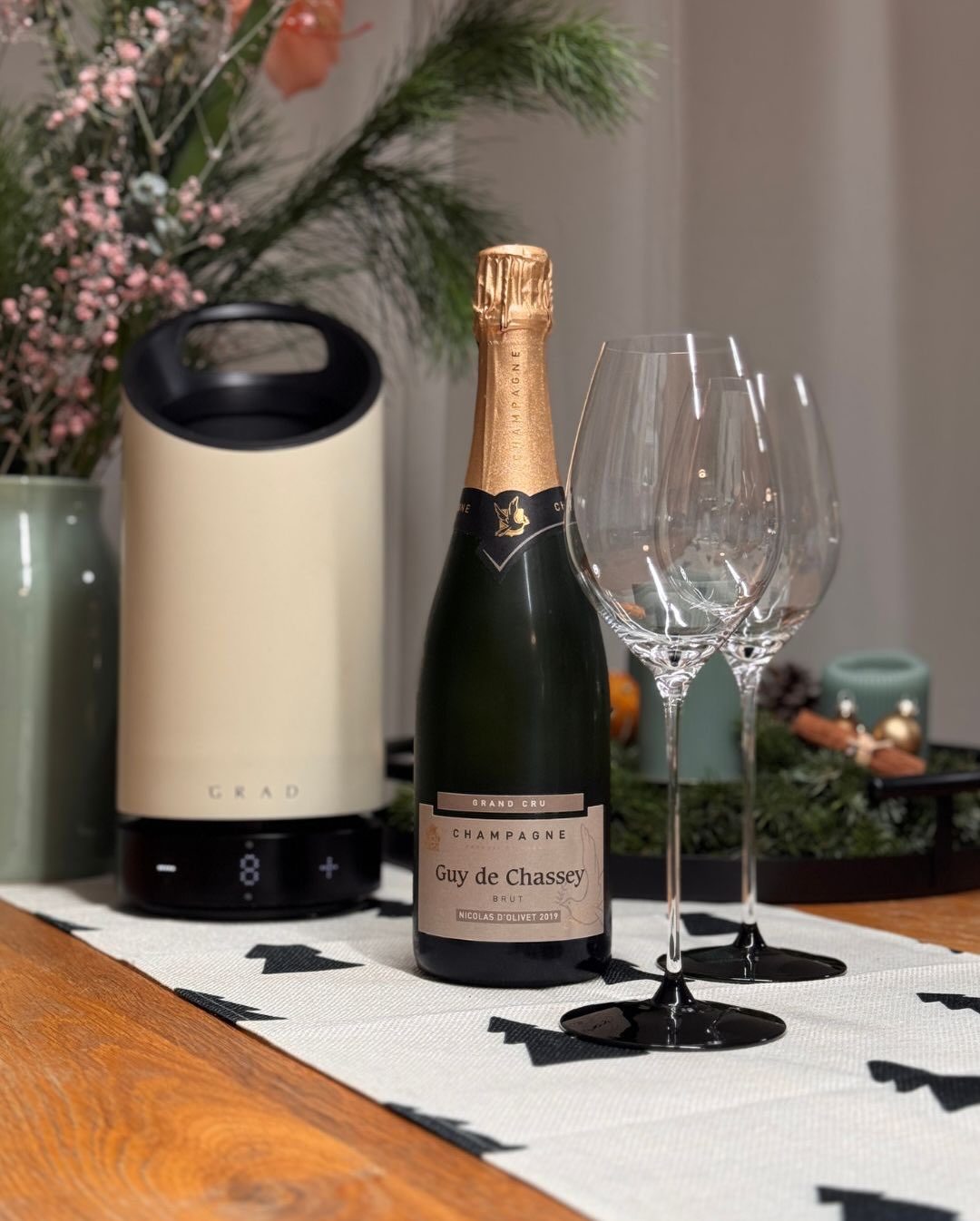
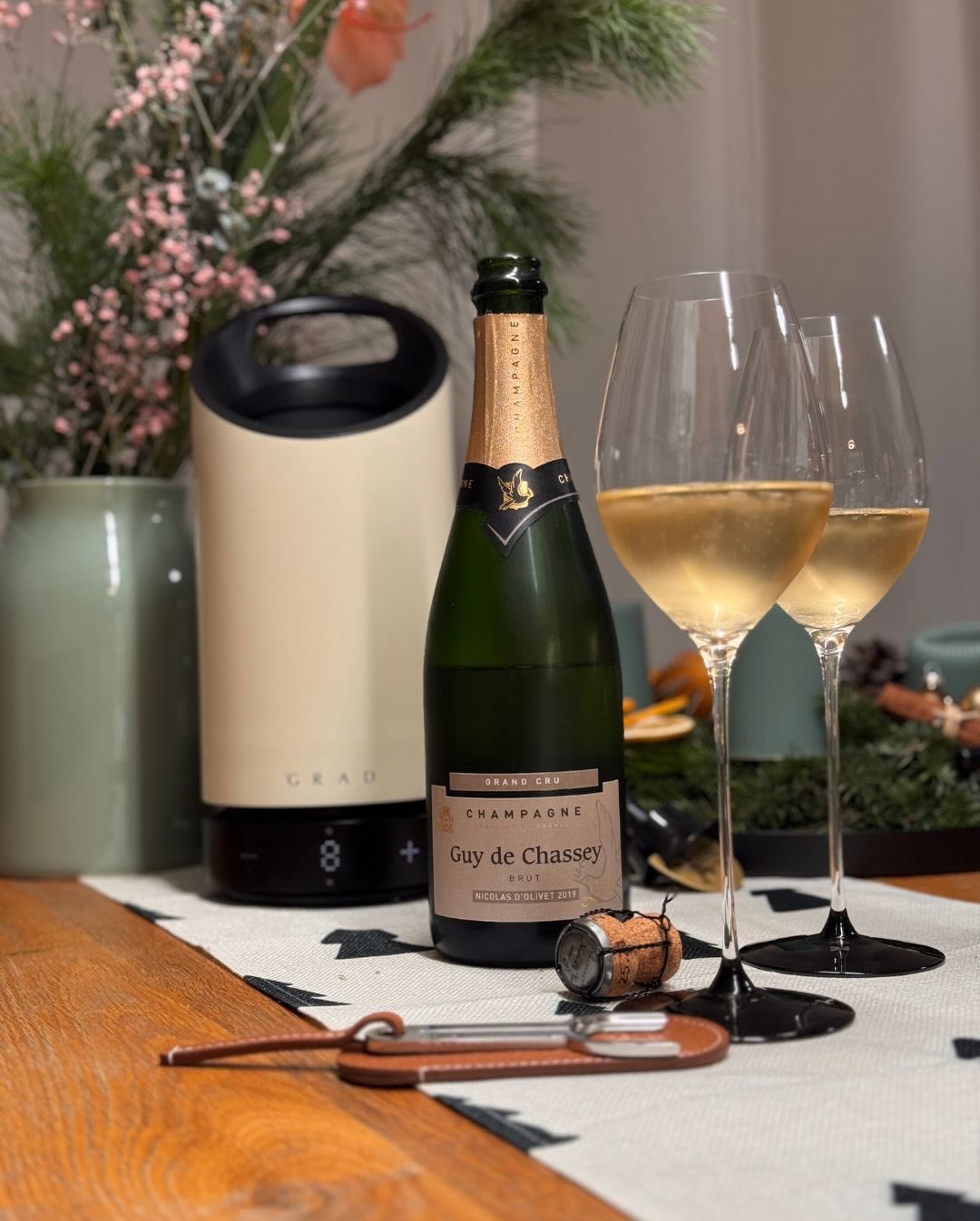
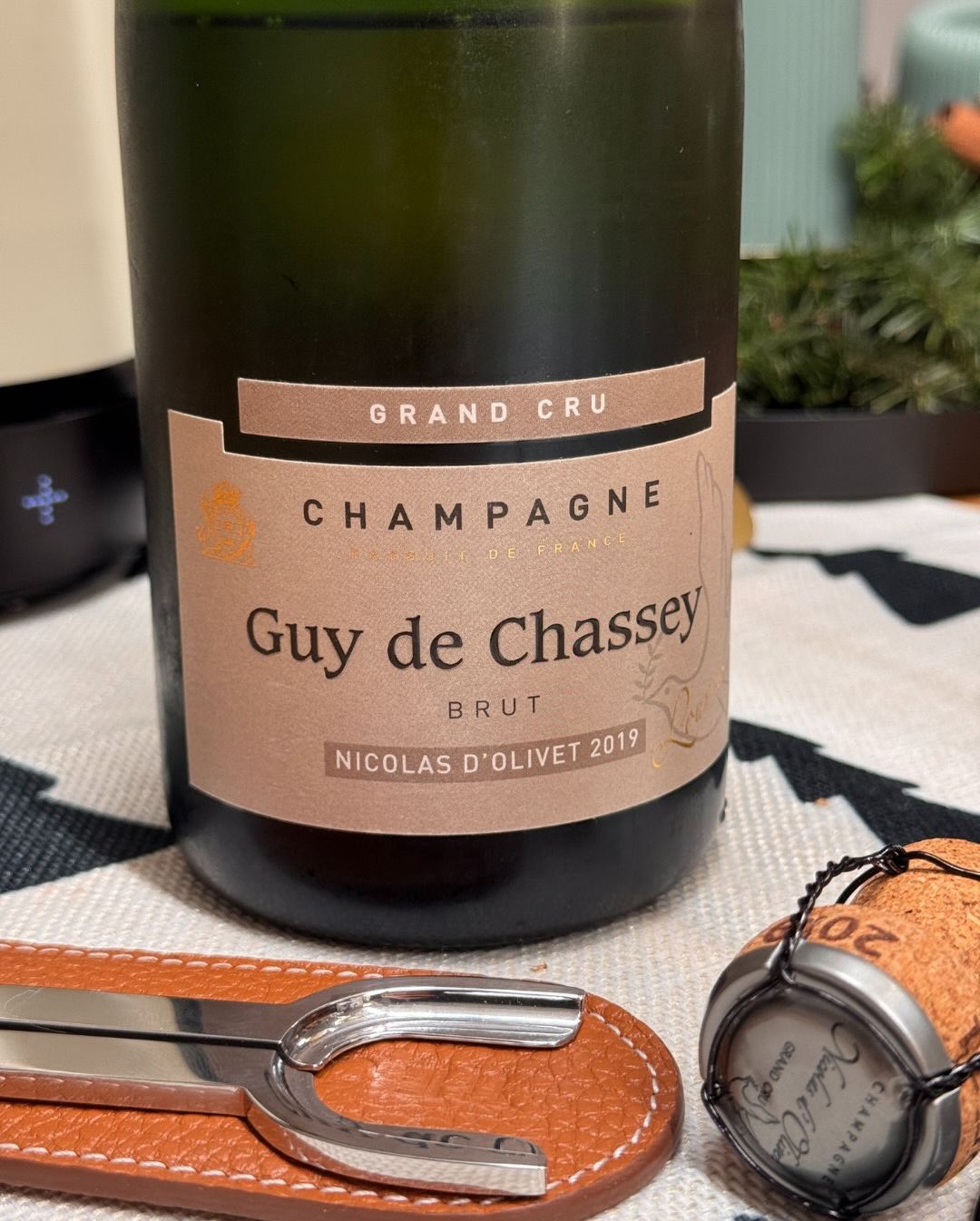
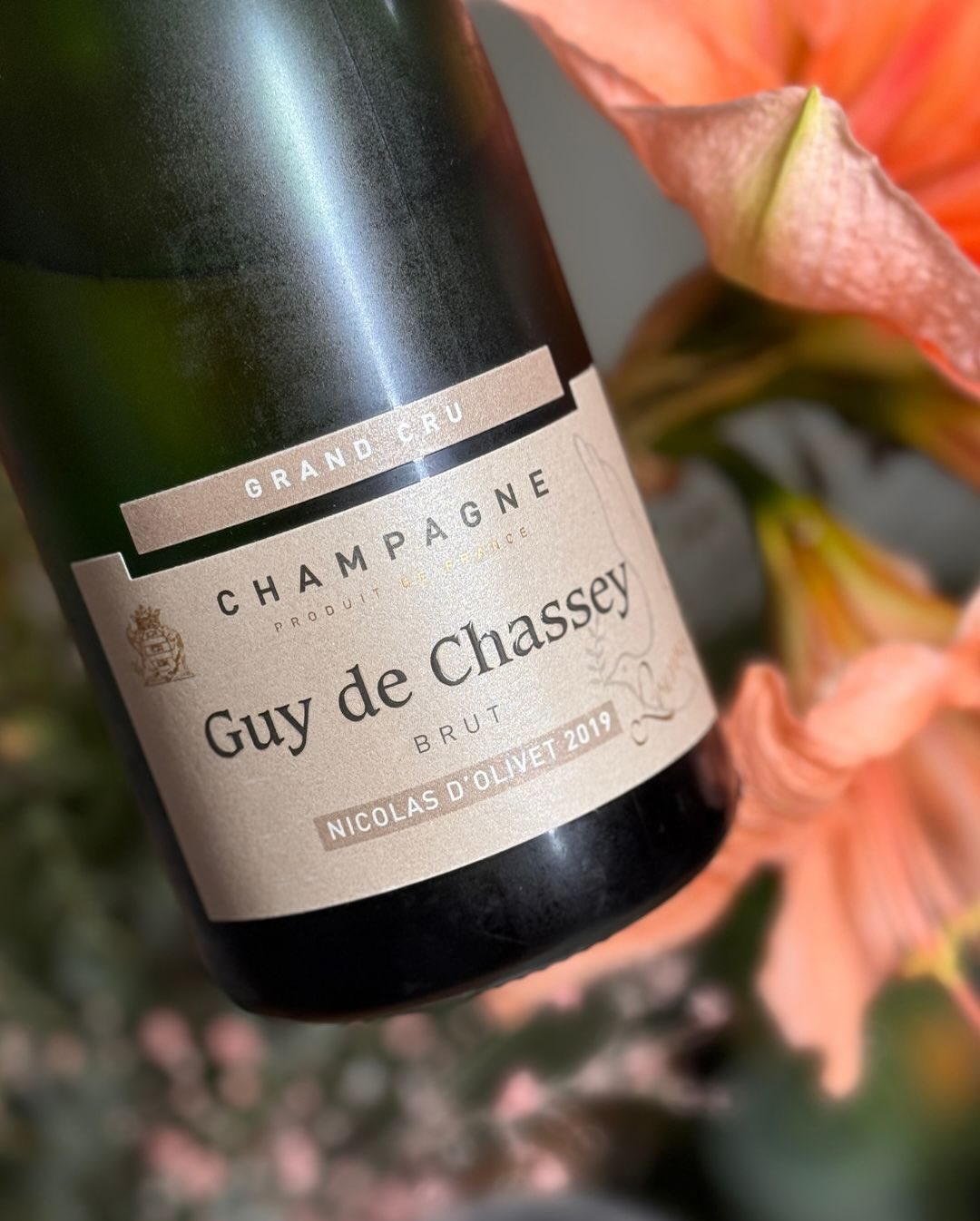
the_champagne.guy Der Nicolas d’Olivet 2019 von @champagneguydechassey wirkt von Anfang an sehr klar und ruhig. Die goldene Farbe passt zum Stil: präzise, frisch, ohne jede Schwere. Aromatisch bleibt er schlank und strukturiert mit einer feinen Mineralität. Dazu Lindenblüte, Mirabelle, etwas Mandel und eine subtile Würze. Nichts Überzeichnetes, sondern ein sehr kontrolliertes, gut gesetztes Profil. Am Gaumen zeigt er eine lebendige Säure, gelbe Früchte und eine feine Marmeladen-Note, ohne süß zu wirken. Birne, ein wenig Apfel, ein leiser Traubenton – alles sauber, präzise und logisch aufgebaut. Der Pinot Noir gibt Tiefe, der Chardonnay hält alles frisch und straff. Keine malolaktische Gärung, kein Holz – dadurch bleibt die Textur klar und direkt, getragen von fünf Jahren Ruhe auf der Flasche. Ein Grand Cru, der zeigt, wie elegant und mineralisch 2019 sein kann. Champagne-Facts 🥂 60 % Pinot Noir · 40 % Chardonnay 📅 Jahrgang 2019 🧪 Ausbau: Edelstahl · keine malolaktische Gärung 🕰 Flaschenreife: 5 Jahre 🍬 Dosage: 8 g/l (Brut) 📍 Grand Cru · Louvois (Montagne de Reims) 🪨 Stil: kreidig · frisch · gelbe Früchte · ruhig präzise #TheChampagneGuy @riedel_official @grad.dk @laclaye #GuyDeChassey #NicolasDOlivet #GrandCruChampagne #Millésime2019 #GrowerChampagne #ChampagneLife #ChampagneVibes
Auf Instagram weiterlesen →Golden yellow robe, fine mousse. Fine and delicate bouquet: yellow candied fruits, sweet flowers, spice notes. On the palate, wine-like, summer fruit marmalade, nectarine, apricot, with toasted notes. Selected in Guide Veron 2023.
50% Pinot Noir, 50% Chardonnay · 2015
Brut Cuvée Réservée Nicolas d'Olivet 2020
Beautiful golden robe, mineral, chalk and flint, then linden, black pepper, mirabelle, almond. Lively palate, beautiful acidity, pear marmalade, grape, apple. Structured with mineral finish. Grande Médaille d'Or Mondial de Bruxelles 2023.
60% Pinot Noir, 40% Chardonnay · 2020 · Grand Cru Louvois
Brut Cuvée Antide
Vinified and aged in oak barrels, exclusively old vines. Light gold, woody dimension with red fruits, fruit paste. Fleshy attack, fine bubbles, very fresh and long. The fruit remains very present, the wood is well integrated. Gold Medal Mondial de Bruxelles 2022, Coup de Cœur Guide Veron 2020.
50% Pinot Noir, 50% Chardonnay · Oak barrel aging · old vines
Cuvée Euphrasie
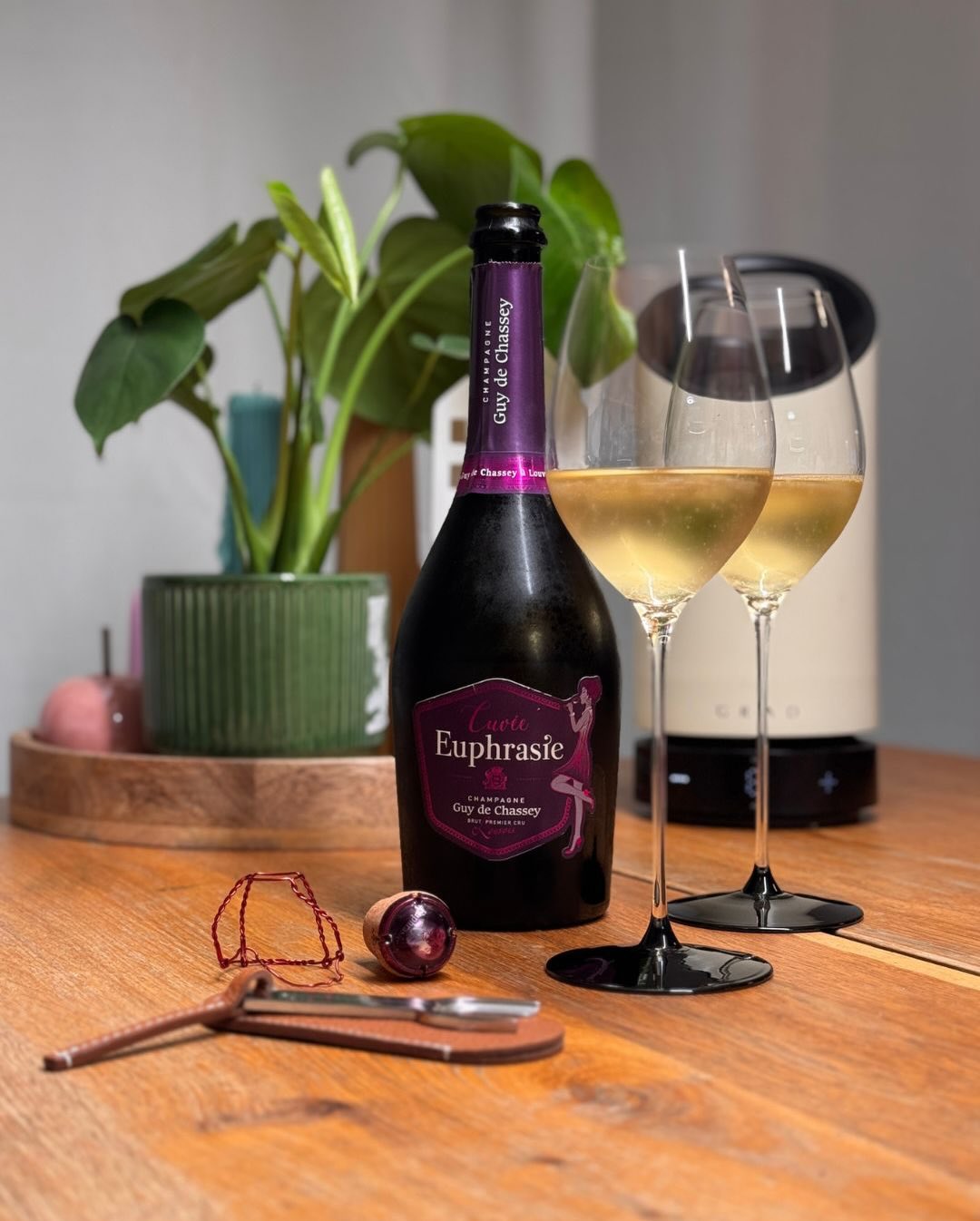
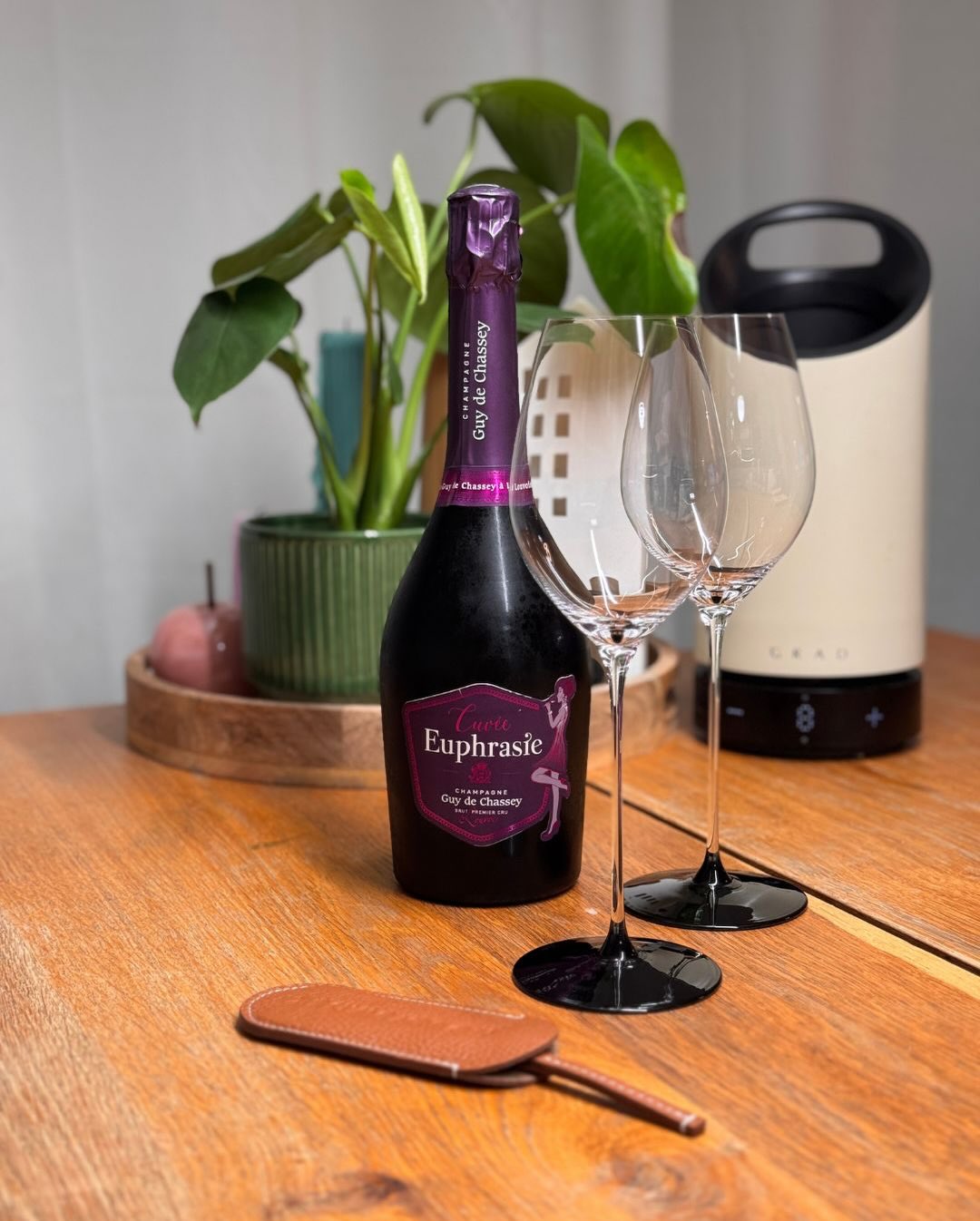
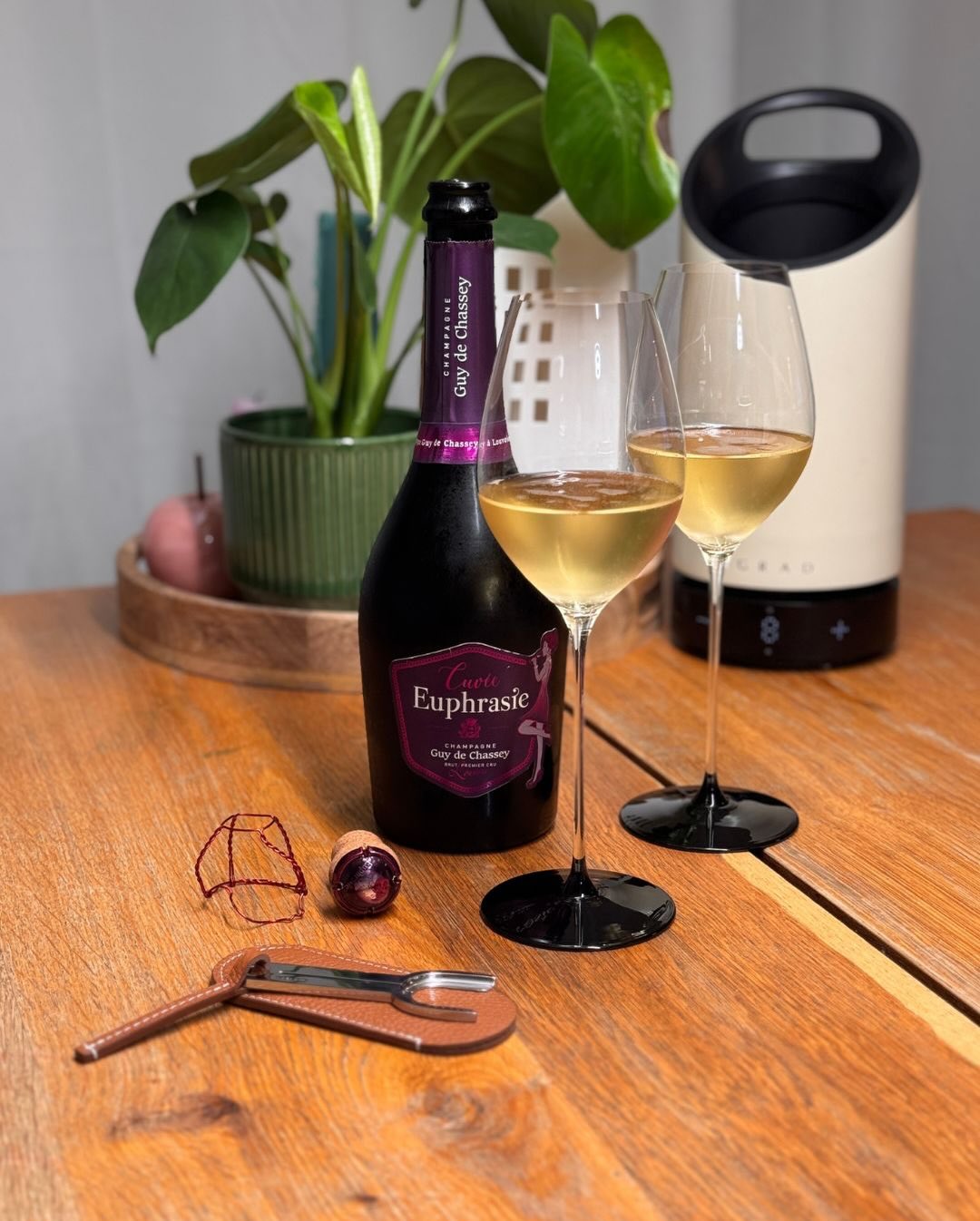
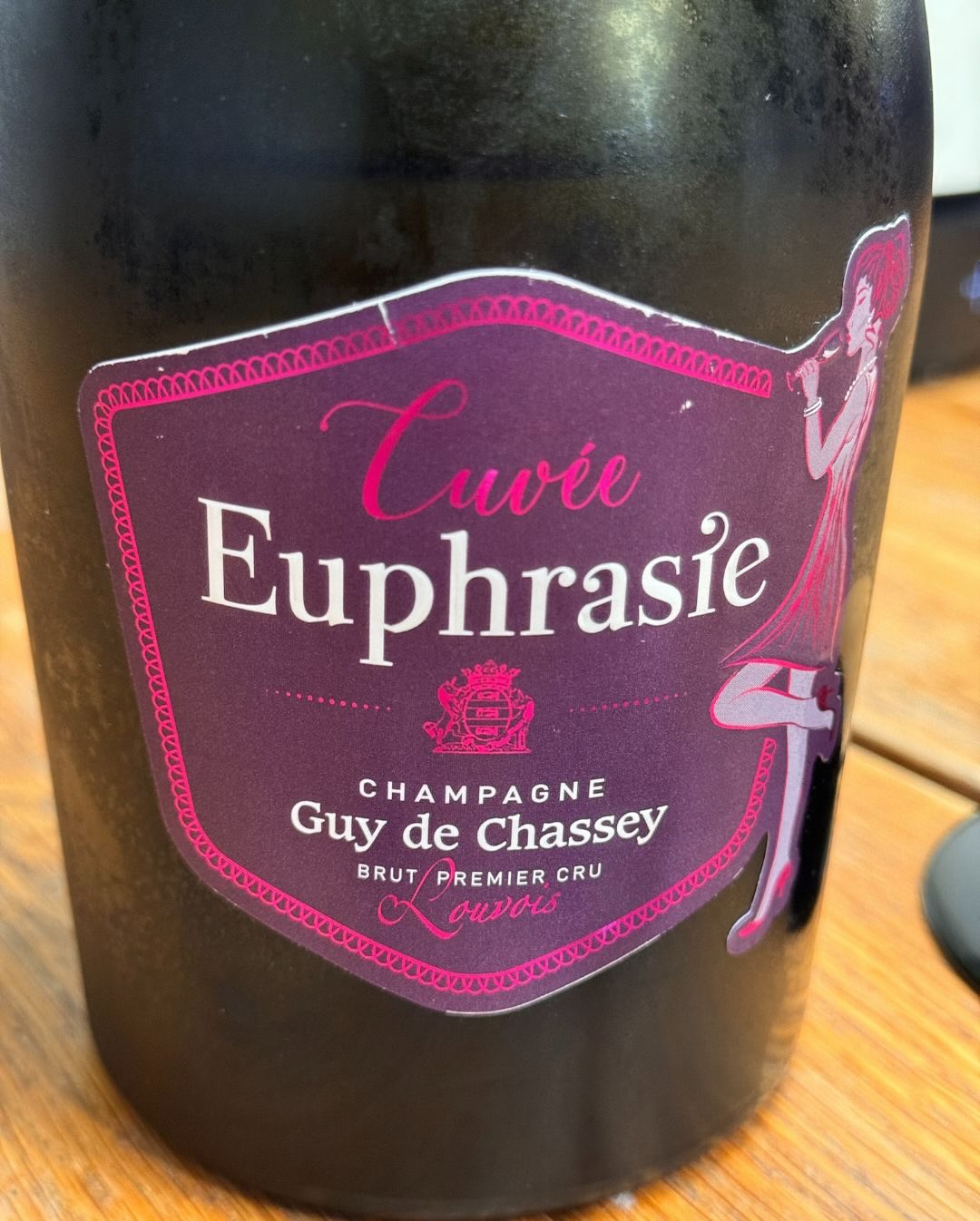
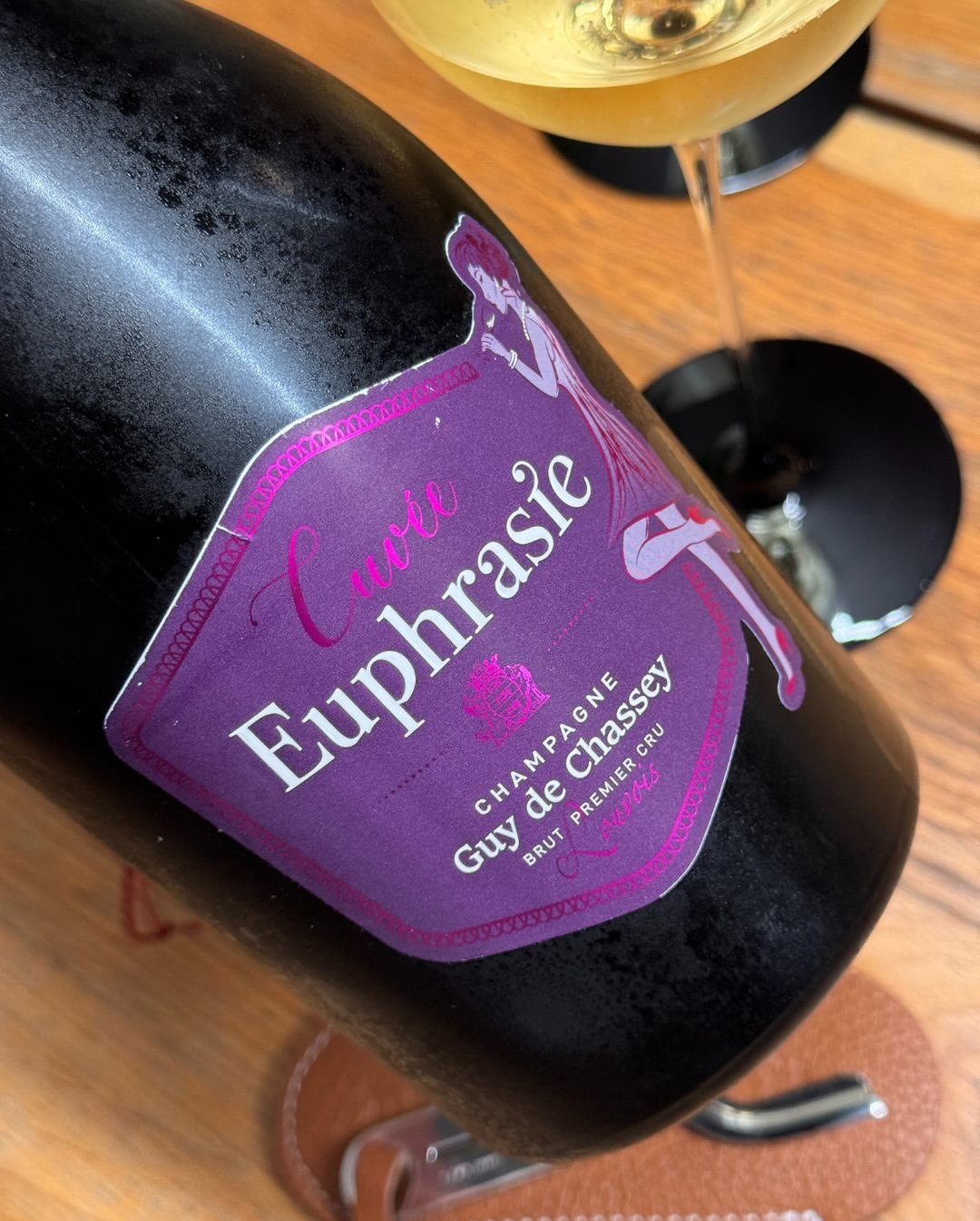
the_champagne.guy In meiner Journey merke ich jetzt nach fast einem Jahr immer wieder, wie normal es für mich geworden ist, Champagner zu trinken. Deswegen probiere ich auch immer wieder mal eine andere Perspektive einzunehmen, einen Schritt zurück – und die Sache nicht als „The Champagne Guy“ zu betrachten, um immer wieder zu sehen, wie viel Spaß Champagner macht, vor allem, wenn alles zusammenpasst. Heute also kein großes Essen, keine Inszenierung. Einfach ein ruhiger Abend und die Cuvée Euphrasie von @champagneguydechassey . Bei Guy de Chassey merkt man ein Gefühl von Bodenhaftung + Eleganz. Genau so startet auch die Euphrasie: dezent floral, ein Hauch Mandarine, etwas Meringue, leicht praliniert. Diese typische, leicht kandierte Zitrusnote, die du sofort wiedererkennst, wenn du sie einmal hattest. Am Gaumen dann großzügig, direkt vertraut: kandierte Zitrone, Kiwi, feine Blüten und eine schöne Balance zwischen Frische und Rundheit. Nicht verspielt – eher souverän. Was mir an dieser Cuvée gefällt: Sie zeigt, wie Chardonnay + Pinot Noir aus Tauxières-Mutry funktionieren können. Einfach ein Premier Cru, der seinen Job wirklich gut macht. Und dazu kommt dieses kleine Detail, das ich mag: „7 Générations – 1 Savoir-Faire.“ Du schmeckst wirklich, dass hier Handwerk über Generationen weitergegeben wurde. Champagne-Facts 🥂 Assemblage: 85 % Chardonnay (2012) · 15 % Pinot Noir (2011) 📍 Terroir: Louvois · Premier Cru (Tauxières-Mutry) ❄️ Vinifikation: Edelstahl · keine malolaktische Gärung · manuelles Rütteln 🍬 Dosage: 6,5 g/l (Brut) 🕰 Bottling: 5. März 2015 ⏳ Reife: 10 Jahre auf der Hefe #TheChampagneGuy @riedel_official @grad.dk @laclaye @jchlp @labelleviefamily @grad_rd #GuydeChassey #Euphrasie #ChampagnePremierCru #Louvois #Chardonnay #PinotNoir #ChampagneLife #ChampagneMoment #ChampagneVibes #TheChampagneGuyMoments #laclayeperfectserve
Auf Instagram weiterlesen →Multi-vintage assemblage: 85% Chardonnay from 2012, 15% Pinot Noir from 2011. Bottled March 5, 2015, 10 years on lees. Subtly floral, mandarin, meringue, praline, candied citrus notes. On the palate generous, candied lemon, kiwi, fine flowers. Balance between freshness and roundness. Stainless steel, no MLF, manual riddling.
85% Chardonnay (2012), 15% Pinot Noir (2011) · 6.5 g/l · 120 months aging · Premier Cru Tauxières-Mutry
My Tastings
- Cuvée Euphrasie, 2026-01-03
- Nicolas d'Olivet 2019, 2025-12-13
- Cuvée Euphrasie, 2025-11-23
The Euphrasie is a remarkable cuvée: 10 years on lees, no MLF, manual riddling. You feel the maturity on the nose, mandarin, meringue, candied citrus notes, but the palate stays fresh and precise. The balance between generosity and tension works very well.
Nicolas d'Olivet 2019 is a mineral statement from Louvois Grand Cru. Clear, precise, linden flower, mirabelle, subtle spice. On the palate lively acidity, yellow fruits, fine marmalade. The blocked MLF and avoidance of wood let the minerality of the terroir shine through clearly.
Facts
| Criterion | Value |
|---|---|
| Official Name | Champagne Guy de Chassey |
| Former Name | Lucien Beaufort (from third generation) |
| Category | RM (Récoltant Manipulant) |
| Address | 1 Place de la Demi Lune, 51150 Louvois |
| Region | Montagne de Reims |
| Cru Status | Grand Cru (Louvois) |
| Management | Marie Odile de Chassey, Ingrid (7th generation) |
| Vineyard Area | 9.5 ha |
| Villages | Louvois (GC), Bouzy (GC), Tauxières-Mutry (PC 99%) |
| Cépages | 75% Pinot Noir, 25% Chardonnay |
| Soil | Argilo-calcaire, south and southeast exposure |
| Approach | Viticulture raisonnée, HVE-certified |
| MLF | blocked |
| Vinification | Stainless steel tanks (18°C), partly oak barrels (Antide) |
| Dosage | approx. 6.5-8 g/l (based on tasted cuvées) |
| Website | champagne-guy-de-chassey.com |
| @champagneguydechassey | |
| Phone | +33 3 26 57 04 45 |
Sources for this portrait: Maison website, personal tastings, CRM data and cross-checks. Fields without sufficient verification remain open.